.svg)




Physical activity & wellbeing
⏱ 10 minutes read
Discover how exercise and emotional well-being can support your diabetes management.
Get quick and easy access to our support team.
ADC-109888 v1.0






GB Mainland: 3 day delivery
Northern Ireland: 3-4 day delivery
(Estimated standard delivery)

All payments are secure and encrypted

Your cart is empty
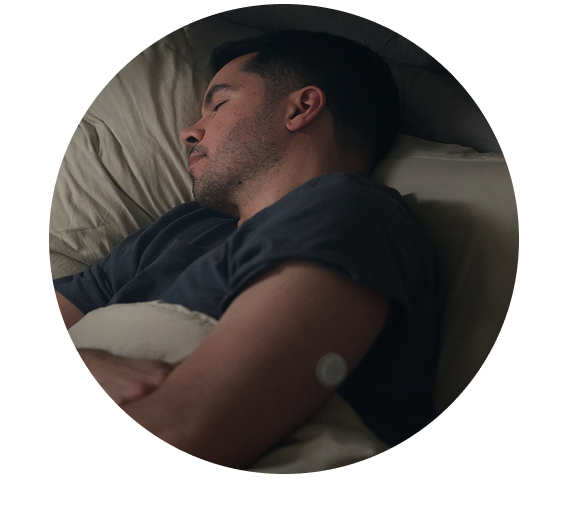
Research shows that one in two people with type 2 diabetes report sleeping poorly.1 Everyone has the odd disturbed night, but if you are living with diabetes, poor sleep tends to come with the territory.1,2

Studies of people with type 2 diabetes show that high HbA1c levels lead to low quality sleep.3
To make matters worse, your body tries to deal with hyperglycaemia by removing glucose from the blood through the kidneys.4 When this happens, the kidneys filter out more water too4, meaning you may find yourself taking frequent night-time trips to the bathroom.

At the other extreme, low blood sugar usually affects people with diabetes who take insulin or some other diabetes medicines. It's rare in people without diabetes.5
Common symptoms of low blood glucose include feeling hungry, dizzy, shaky or sweaty, as well as feeling anxious, weak, or confused, and in some cases experiencing blurred vision or heart palpitations.5
Too little sleep messes with your appetite. This is partly because the body produces more ‘hunger hormones,’ which increase the desire to eat.6
Prevalence
Affects around 71% of people with type 2 diabetes.10
Diagnosis
If your breathing stops and starts while you sleep, you snore and/or are tired/irritable/headachy on waking, ask your doctor for a sleep test.11
Impact on diabetes
Alters glucose metabolism and promotes insulin resistance.10
Management options
If your OSA is mild, there are things you can do to help:
• Try to lose weight if you're overweight
• Sleep on your side
• Do not smoke
• Do not drink too much alcohol
• Do not take sleeping pills, unless recommended by a doctor11
Treatment for more serious OSA includes use of special breathing devices such as CPAP machines.11
Other, less common treatments include gum shield-like devices that hold your airway open while you sleep and even surgery to help your breathing.11
Prevalence
Affects four times more people with diabetes than those without12
Causes
Restless legs syndrome is thought to be linked to the levels of iron and the brain chemical dopamine in your body. There’s usually no clear cause for restless legs syndrome, but you’re more likely to get it if someone in your family also has it.13
Impact on diabetes
Potential impact on diabetes management and overall health due to sleep disruption.12
Management options
RLS can be caused by various conditions but can also occur with no underlying cause. Your doctor will be able to find out if there is anything that could be causing RLS.
If there is no underlying condition:
Lifestyle changes like doing more exercise can help relieve RLS symptoms.13
If there is an underlying condition:
Treating the condition itself is necessary
For example, iron deficiency anaemia (which can cause RLS) can be treated with iron supplements.
Prevalence
Insomnia and insomnia symptoms are common in people with type 2 diabetes.14
Causes
The most common causes of insomnia include stress, anxiety or depression, an uncomfortable sleep environment (such as noise, temperature, or bedding), and the use of substances like caffeine, alcohol, or nicotine.15
Impact on diabetes
Insomnia can result in poor sugar control.14
Management options
Diabetes burnout happens when managing your condition feels overwhelming, which can affect sleep. Practising mindfulness and meditation can reduce burnout and help prepare your body for sleep, especially at lights-out.
Most of us benefit from regular routines, so give your body clock a hand and stick with the programme. And yes, we mean weekends too, even if you give yourself an extra hour or so before you hit the hay. As long as you're consistent, you'll notice an improvement.
Your bedroom should be a restorative space, so try to avoid filling it with distracting devices, such as TVs and laptops. It’s also worth paying attention to your décor and the room temperature – think calming spa style!
Invest in ear plugs and black-out curtains or a good quality eye mask if your bedroom isn't quiet or dark enough to get to (and stay) asleep. Control the controllable, right?
Exercise can help you sleep better, but try not to work out too late. Physical activity increases blood flow and heart rate, which can take time to settle and make it harder to fall asleep. Exercising earlier in the day gives your body time to wind down before bed.
While napping is great for small kids, unlike a consistent bedtime, they aren't great for us adults. A daytime nap can make it much harder to drop off to sleep at night, so you should avoid wherever possible. If you really do need a lie down, try a 20-minute cat nap to avoid getting into deep sleep and waking up groggy.
We all know alcohol can affect our liver in the long term but it's also a significant risk factor for hypoglycaemia.19 It’s all the more damaging before bed because it takes the body around an hour to metabolise, or break down, each drink.20 If you do fancy a tipple, do so in moderation, preferably with food and a couple of hours before you turn in.
It may seem pretty obvious, but caffeine and sleep are not good bedfellows for most people. So move away from the kettle – there's nothing to see here 'til morning!
Yup, painful as it may be, that cell phone needs to go to bed before you do, along with your laptop/TV. Blue light has been proven to suppress the body’s production of melatonin21, a sleep-promoting hormone. So the sooner you unplug, the quicker you’ll nod off.
⏱ 10 minutes read
Discover how exercise and emotional well-being can support your diabetes management.

⏱ 3 minutes read
Reflect on how stigma impacts people living with diabetes. Challenge assumptions and communicate with greater empathy.
The “Yes” link below will take you to a website other than Abbott Laboratories. Links pointing you to other websites are not under the control of Abbott Laboratories, and Abbott Laboratories is not responsible for the content of such websites or other links contained on such website. Abbott Laboratories provides these links only as a courtesy and the inclusion of any link does not imply endorsement by Abbott Laboratories of the site.
Do you want to leave this page?
FreeStyle.abbott/uk-en is a product specific website only intended for residents of the United Kingdom. If you live in another country, please contact your local Abbott office to obtain the correct product information for your country of residence.

