.svg)




Understanding hyperglycaemia
⏱ 3 minutes read
Discover what hyperglycaemia is and how to prevent it from happening.
Get quick and easy access to our support team.
ADC-109888 v1.0






GB Mainland: 3 day delivery
Northern Ireland: 3-4 day delivery
(Estimated standard delivery)

All payments are secure and encrypted

Your cart is empty
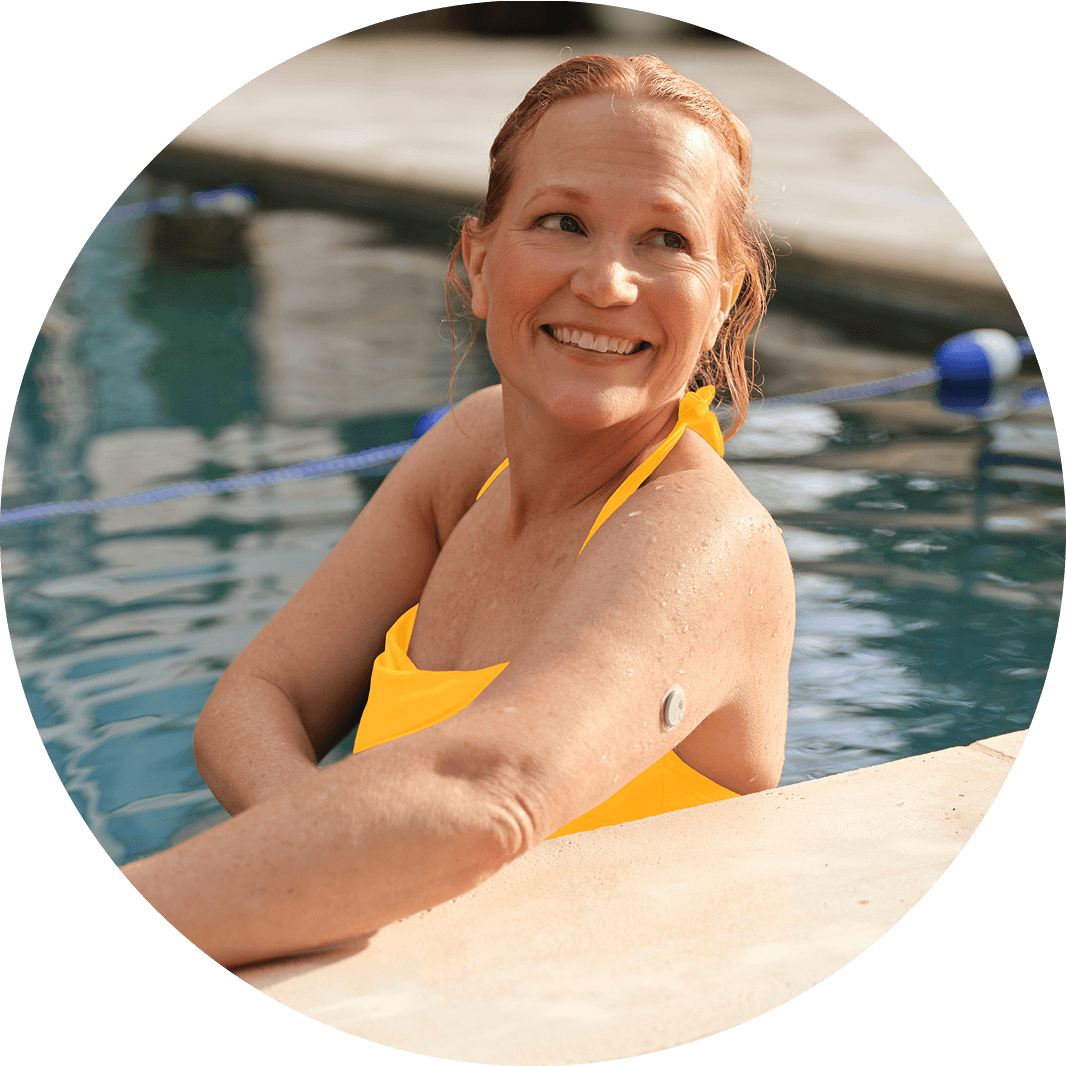
/first-five-days/patterns_in_the_first_five_days_header_desktop.png) Sensor is water-resistant in up to 1 metre (3 feet) of water. Do not immerse longer than 30 minutes.
Sensor is water-resistant in up to 1 metre (3 feet) of water. Do not immerse longer than 30 minutes.
As you continue to use your Libre 2 Plus sensor or Libre 3 Plus sensor, you may notice subtle rises or gentle dips in your glucose.
These aren’t grades or judgements; they’re glimpses into how your glucose responds to daily habits.
A few patterns you may recognise:

Morning glucose rise (dawn phenomenon).
A small bump before breakfast is normal, known as the dawn phenomenon. This happens when your liver releases glucose to help you wake up1.

Meal-time peaks.
Meals are one of the most revealing parts of your glucose story. How high or how fast your levels change depends on what you eat, how much, and even the pace of your meal2.

/first-five-days/man-looking-at-data.png)
On day five, take a moment to look back to see your story in motion. Are there times when your levels feel steady? Times when they swing? That’s useful information, not a grade. You can make progress just by noticing.
⏱ 3 minutes read
Discover what hyperglycaemia is and how to prevent it from happening.

⏱ 4 minutes read
Learn how to use daily and long-term data to make choices about diabetes management.
The “Yes” link below will take you to a website other than Abbott Laboratories. Links pointing you to other websites are not under the control of Abbott Laboratories, and Abbott Laboratories is not responsible for the content of such websites or other links contained on such website. Abbott Laboratories provides these links only as a courtesy and the inclusion of any link does not imply endorsement by Abbott Laboratories of the site.
Do you want to leave this page?
FreeStyle.abbott/uk-en is a product specific website only intended for residents of the United Kingdom. If you live in another country, please contact your local Abbott office to obtain the correct product information for your country of residence.

