Physical Activity & Emotional Wellbeing

Learn about the importance of physical activity and emotional wellbeing and their impact on your sugar
levels and diabetes management.

Physical Activity and Type 2 Diabetes

As most of us know, exercise is good for our health, benefiting our hearts, bodies and minds. It has been shown to help prevent conditions such as cardiovascular disease, cancer and diabetes and reduce symptoms of depression and anxiety, enhance brain health, and improve overall wellbeing.1

Physical activity helps to lower glucose levels because our muscles need to use more of it as we work out.2

Benefits for people living with type 2 diabetes

If you're living with diabetes then physical activity is all the more valuable. As well as lowering your glucose levels, it can also help with:

  • Reducing HbA1c levels3

    Keeping fit can help you manage your HbA1c levels (an average blood glucose measure taken over a two-to-three month period).3

  • Improving insulin resistance

    Studies show that structured exercise can help combat insulin resistance in people living with type 2 diabetes.4

  • Weight management

    Exercise may help with weight loss, which can reduce the risk of complications and may even put some people living with type 2 diabetes into remission.5

Woman walking her dog in the park


How much exercise do we need?

The World Health Organization recommends that adults should do at least the following every week:

  • 2 sessions of muscle-strengthening activities that work all major muscle groups (legs, hips, back, abdomen, chest, shoulders and arms)

  • 2 hours of moderate-intensity cardio OR 1 hour of vigorous-intensity cardio

However, every little helps. You don’t have to run a marathon – anything that gets you moving is worthwhile, and the more you enjoy it, the more likely you are to keep it up.


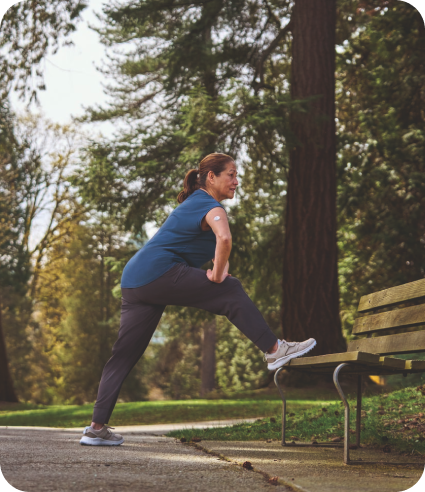
Woman with Libre sensor stretching in the park

Moderate vs. vigorous intensity

If you can talk but would struggle to find the breath to sing, it's moderate intensity.

If you can't keep up a conversation while exercising, it's vigorous intensity.

Top tips for getting (and staying) active

Emotional Wellbeing and Type 2 Diabetes

As we know, living with diabetes can be challenging. Looking after your emotional wellbeing is just as important as physical health.


The power of positive thinking

There will be good days and difficult days; times when you feel you’ve got this, and times when everything feels a little overwhelming. That’s not just perfectly understandable, it’s also very common, but by learning some simple strategies you can help insulate yourself from potentially damaging thought patterns.

People who are living with diabetes are more prone to depression. Even if you’re not clinically depressed, negative thinking can stop you from managing your health properly.

Reframing negative thoughts

Identify negative thinking

E.g. I'm a failure, I haven't been running for three days.


Examine it

Why haven't you been running - are there mitigating circumstances? Did you run other days this week? Have you done any other physical activity?

Reshape it

I've had a lot on at work but still managed to go running four days this week and I walked home with the groceries instead of catching the bus.

Real people. Real stories.

Read and watch stories from FreeStyle Libre users with type 2 Diabetes and learn how it has helped them with their physical activity.

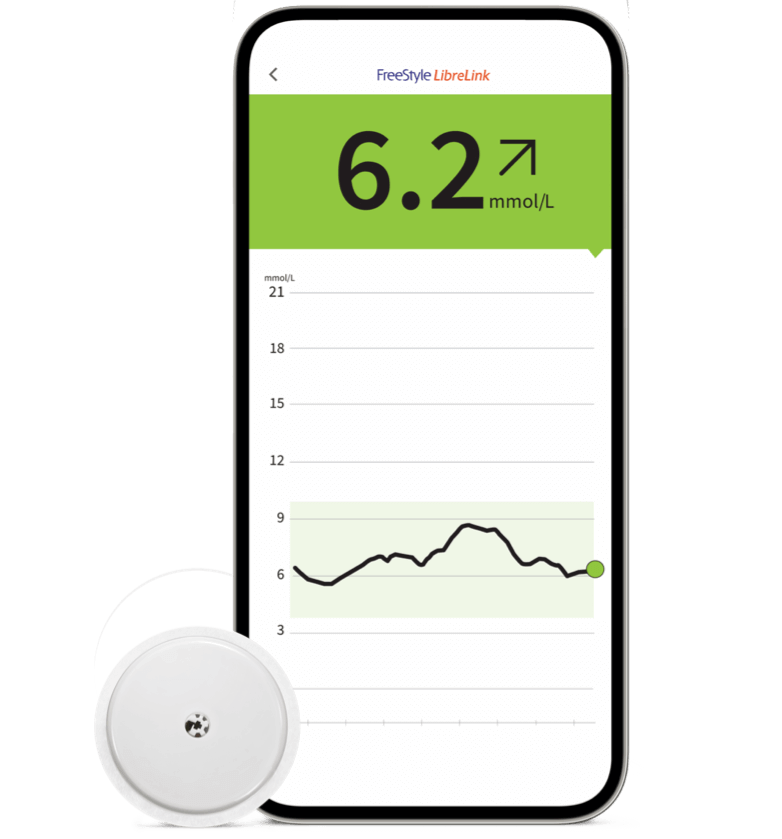
The FreeStyle Libre 2 system

Manage your diabetes with ease9 & confidence10 with real-time glucose readings sent right to your smartphone◊,II

FreeStyle libreLink app screenshot with Libre 2 sensor next to it

References & Disclaimers

Images are for illustrative purposes only. Not real patient or data.

1. WHO. Physical Activity. 2020. Available at https://www.who.int/news-room/fact-sheets/detail/physical-activity. Accessed November 2024.

2. British Heart Foundation. Diabetes. 2021. Available at https://www.bhf.org.uk/informationsupport/risk-factors/diabetes. Accessed November 2024.

3. Medical News Today. How can you lower your A1C levels? 2020. Available at https://www.medicalnewstoday.com/articles/317216. Accessed November 2024.

4. A. Sampath Kumar, et al. Exercise and insulin resistance in type 2 diabetes mellitus. Ann Phys Rehabil Med, 62 (2) (2019 Mar 1), pp. 98-103.

5. Diabetes UK. Weight Loss and Diabetes. Available at https://www.diabetes.org.uk/guide-to-diabetes/enjoy-food/eating-with-diabetes/whats-your-healthy-weight/lose-weight. Accessed November 2024.

6. WHO. Global Recommendations on Physical Activity for Health. Available at https://www.who.int/publications/i/item/9789241599979. Accessed November 2024.

7. University of Cambridge, January 14, 2015, Lack of exercise responsible for twice as many deaths as obesity. Available at https://www.cam.ac.uk/research/news/lack-of-exercise-responsible-for-twice-as-many-deaths-as-obesity. Accessed November 2024.

8. Medical News Today. What are the health benefits of yoga? Available at https://www.medicalnewstoday.com/articles/326414#stress. Accessed November 2024.

9. Haak, T. Diabetes Therapy (2017): https://doi.org/10.1007/s13300-016-0223-6.

10. Fokkert, M. BMJ Open Diab Res Care (2019): https://doi.org/10.1136/bmjdrc-2019-000809.

◊ The FreeStyle LibreLink app works with FreeStyle Libre 2 sensor and FreeStyle Libre 2 Plus sensor and is only compatible with certain mobile devices and operating systems. Please check the website for more information about device compatibility before using the app. Use of FreeStyle LibreLink may require registration with LibreView.

ǁ Glucose readings are automatically displayed in the FreeStyle LibreLink app only when your smartphone and sensor are connected and in range.


ADC-100915 v1.0

This site is protected by reCAPTCHA and the Google Privacy Policy and Terms of Service apply.

Loading...