










Improve your glucose levels with these small changes to your diet and lifestyle.
- Using Libre to spot glucose patterns and trends
- Learn with Libre: see how food and activity will affect your glucose levels

What's one small change you could make?
Small reflections for your next meal:
- Did this meal cause a higher glucose rise than I expected?
- Does this food feel like a healthy choice for me?
- What would feel even better next time?
- Keep it the same - it’s working
- Have a little less
- Try a different food
Some ideas to help you manage your glucose spikes.
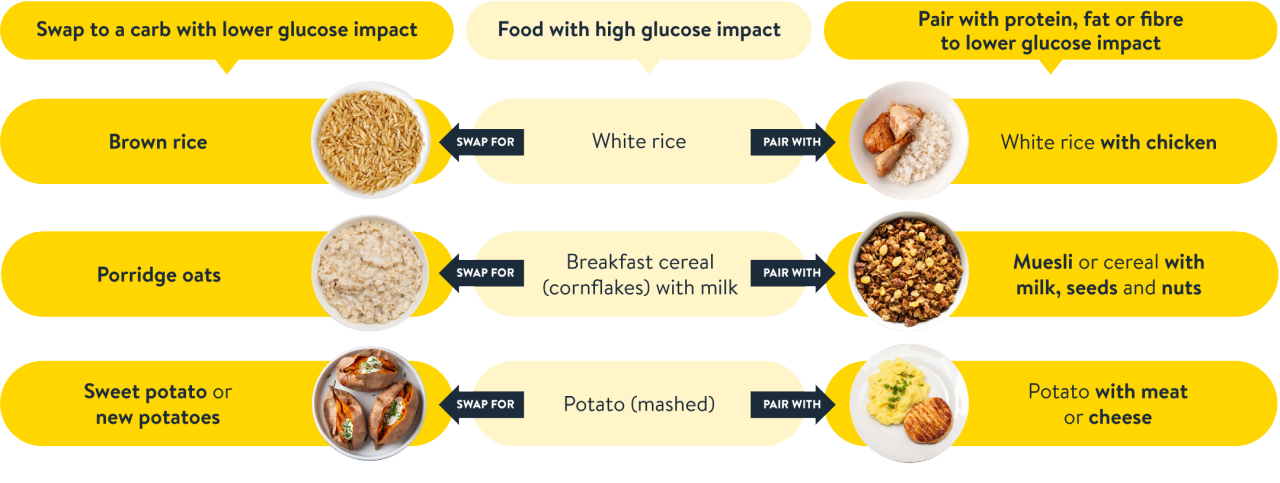
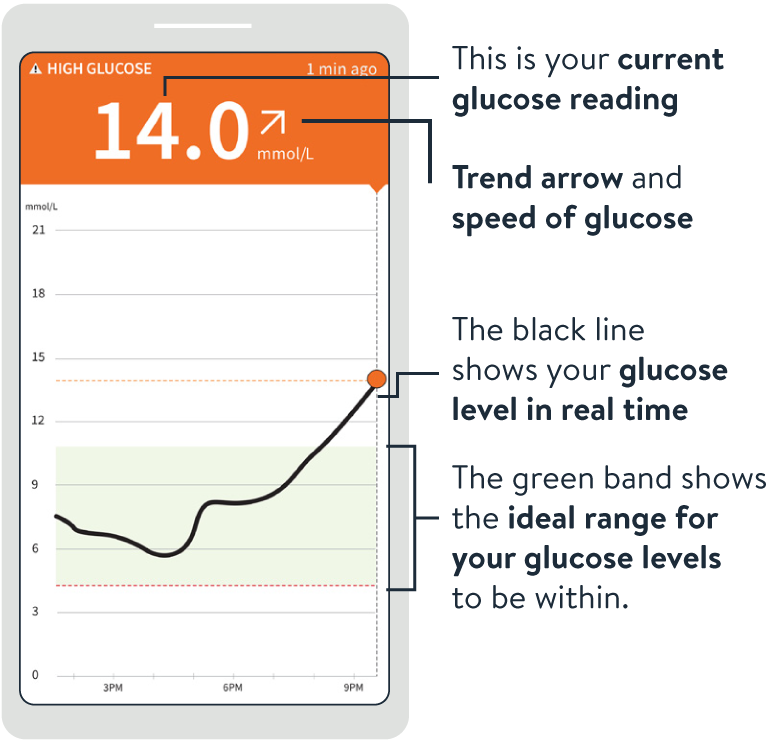
You’ll notice that some foods, particularly some carbohydrates (carbs), will cause your glucose levels to rise higher and more quickly than you see with other foods. This is called a “glucose spike”. Reducing glucose spikes will help to manage your overall glucose levels and keep you healthy. Below you will find some options that can help keep your glucose levels where you want them.

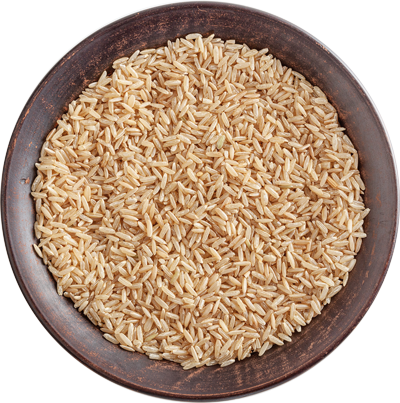
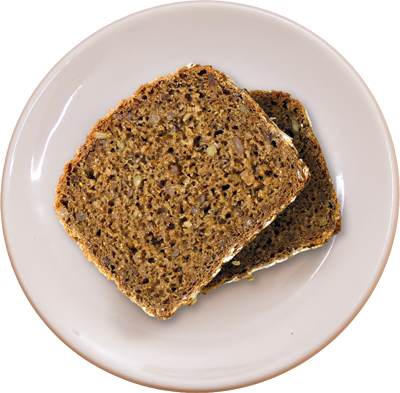
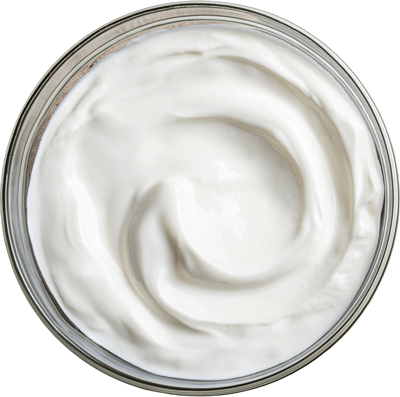
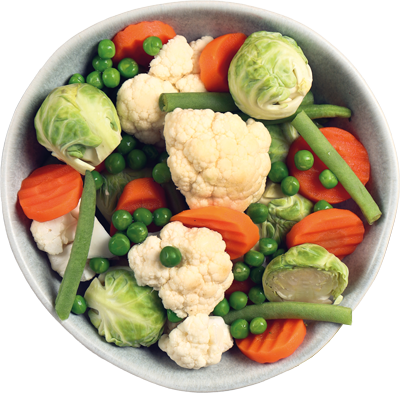
Choose healthier unprocessed carbohydrates,1 such as:
Whole grains like brown rice, buckwheat and whole oats | Whole fruit | Wholegrain bread |
 |  |  |
Dairy, such as unsweetened yoghurt and milk | Starchy vegetables in whole form, e.g. butternut squash or parsnips | Whole white potatoes or sweet potatoes |
 |  |  |
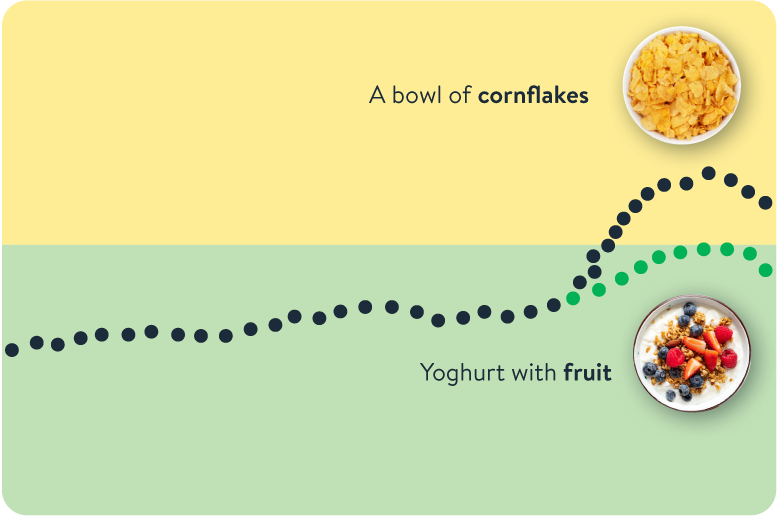

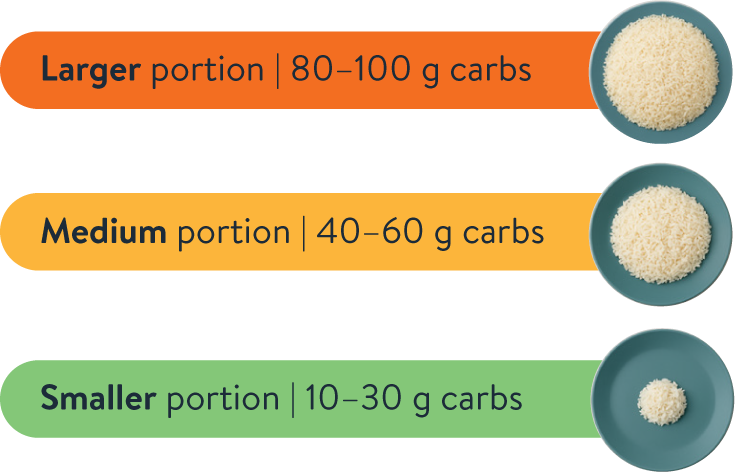
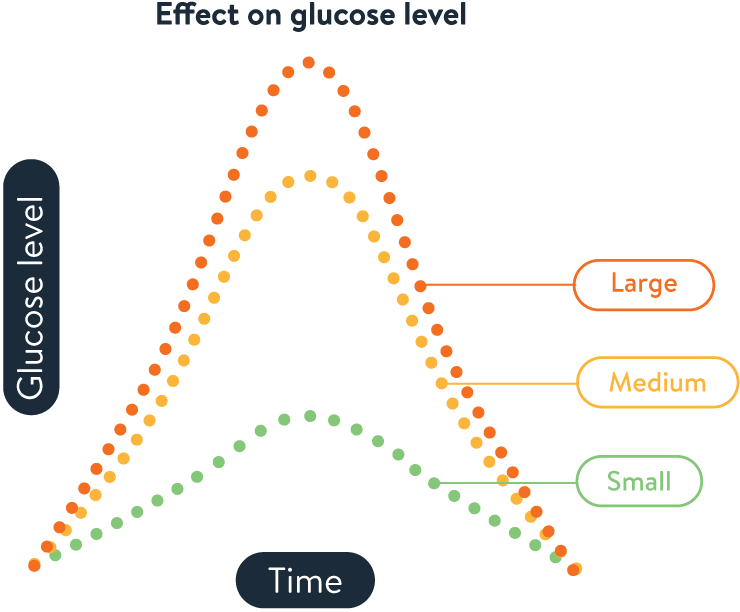


What you eat your carbs with.
Food pairing is when you eat carbohydrates together with protein, healthy fat and/or fibre. Protein, fat and fibre can help to reduce glucose spikes.3 They can also help you feel fuller for longer. Try pairing foods, like chapati with dal, rice with chicken or toast with cheese.


How physical activity can help.
Moving more helps to reduce glucose spikes as your body uses the glucose for energy. Being active also helps your body use insulin better, keeps glucose levels steady and is good for your heart and weight. A walk immediately after dinner can help prevent glucose spikes.4 Other gentle activities that can help regulate your glucose include walking up stairs, gentle cycling and swimming – anything where you don’t get out of breath quickly.5Aim for about 30 minutes a day of physical activity, 5 days a week.2

