.jpg)
Use physical activity to win against the stress of diabetes.
Small steps add up to big wins. Learn how movement may help ease diabetes distress and boost well-being.
Welcome to Our New Libre Online Store.
Enjoy an enhanced online experience with easier navigation and account management. Read more ( PDF, 211 KB) ADC-2695010 v1.0



Stress is a natural part of life. It helps us stay alert and ready for life’s challenges.362 All the day-to-day stressors in life–work, commuting, family, world events–do a pretty good job keeping us all on edge. Now imagine loading on the stress that comes with living with diabetes. With the worries about controlling your glucose, your future, and all the other places your mind takes you while you’re doing your best to manage your health.339
Stress impacts you and your A1c.
Stress releases hormones like cortisol, the juice that puts you in “fight or flight” mode.363 It can cause your muscles to tense, your heart rate to go up, and your glucose levels to spike. And chronic hyperglycemia (high glucose levels) can lead to insulin resistance and type 2 diabetes.362
There’s another concern to watch out for if stress gets out of hand, it’s called diabetes burnout. It stems from feeling overwhelmed by the continual efforts to manage diabetes. And the belief that despite a person’s best efforts, they’re having no success at caring for themself.339
The symptoms of diabetes burnout vary from person to person, but Diabetes UK describes them as:364
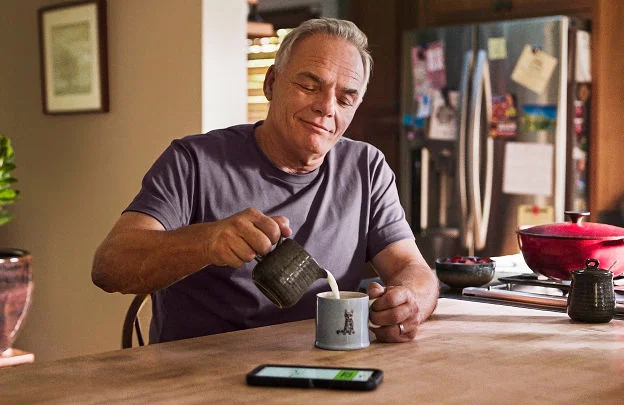
Mindfulness. Stress just can’t stand it.
Mindfulness Based Stress Reduction, or MBSR, is a meditation practice that has grown in popularity over the last 40 years. Developed in 1979 by Dr. Jon Kabat-Zinn and his colleagues at the University of Massachusetts Medical Center, MBSR was originally designed to help people manage stress and pain from medical illnesses. Since its first applications, MBSR has grown to be used for a wider range of health issues. As well as to improve general health and help people reduce their overall stress.366
Your A1c may find it soothing, too.
When you begin to use mindfulness, your emotions aren’t the only things that improve. In 2023, researchers at Keck School of Medicine of USC published an analysis of multiple studies that suggests that your state of mind can impact your body and glucose levels. The findings showed that those who participated in mind-body activities lowered their A1C by 0.84%, on average.367
How mindfulness works.
We’ll spare you the scientific explanation. In human terms, mindfulness is the practice where you focus on being intensely aware of what you're sensing and feeling in the moment, without interpretation or judgment. There’s a wide range of exercises you can do to relax your body and mind to help reduce stress, including breathing methods, guided imagery, and other activities. Best of all, you can practice mindfulness anywhere and anytime, but finding a quiet, somewhat distraction-free place is usually preferred.368

There are many mindfulness practices centered around breathing. When you’re overcome with negative thoughts, try this one:
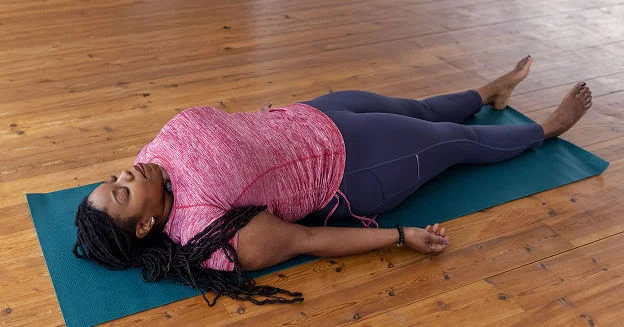
We all have a body, so why not put it to good use relieving some stress? Try this quick mental scan when you’re feeling anxious, uneasy, or nervous:
Our feet are great receptors for the world around us, and a surprisingly therapeutic touchpoint for our attention. Here’s how to take your stress out for a little stroll:
Libre 2 Plus system—a great way to be mindful of your glucose.
Beyond using those deep cleansing breaths, a continuous glucose monitor (CGM) can help you keep track of your glucose levels. With the Libre 2 Plus system, you can manage your diabetes with more confidence.7
Less stress + more knowledge = lower A1c.
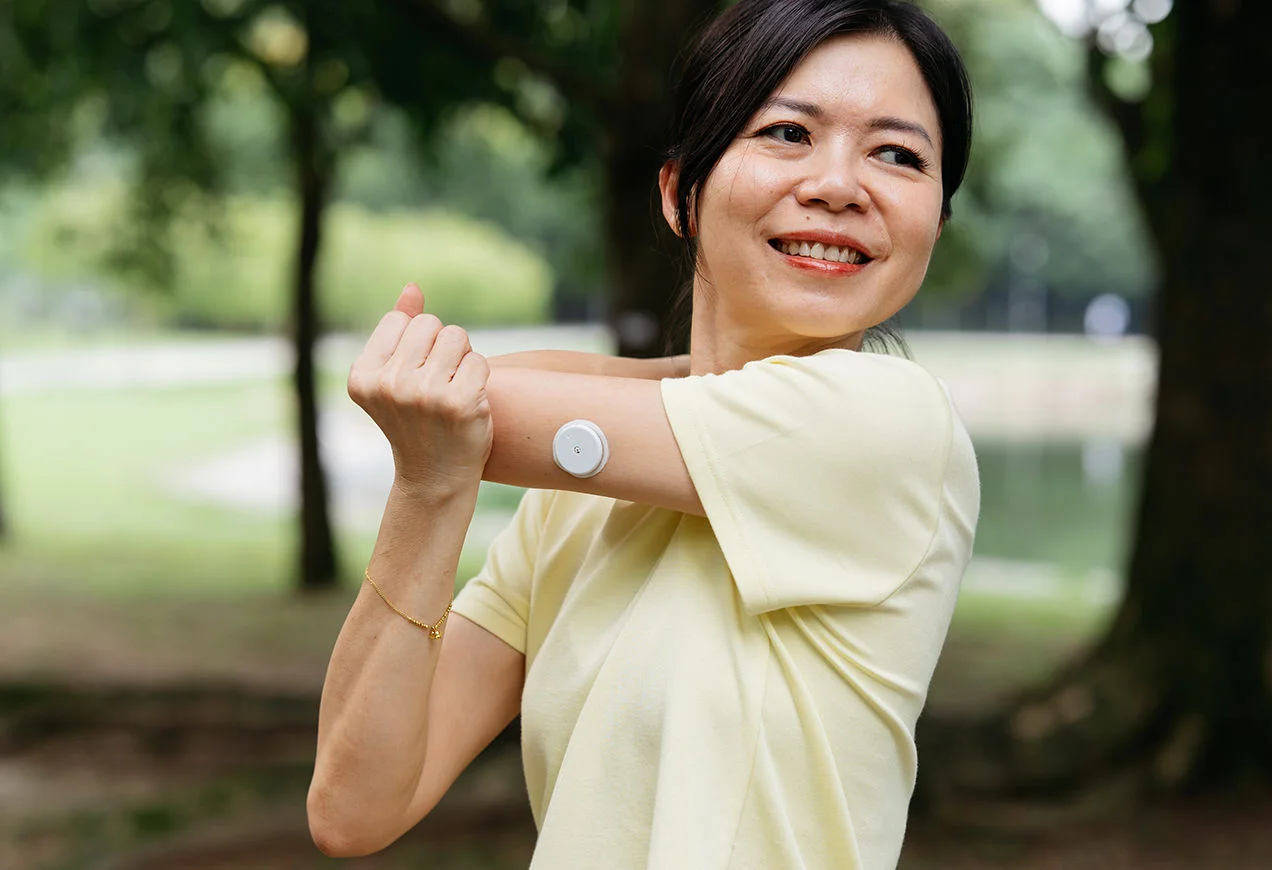
The Libre 2 Plus system includes a little wearable sensor—about the size of a 50 cent coin—that sends glucose level readings to a smartphone app13 or reader. Those continuous readings have been proven to help people with diabetes achieve significantly lower A1c27,39—without finger pricks.10 All in all, the Libre 2 Plus system is the small but mighty way to make more informed decisions7 and take actions that can add up to big changes over time.

As a member of Libre Care, we will keep you informed about important information designed to enhance your Libre experience.



You are about to exit the Abbott family of websites for a 3rd party website
Links which take you out of Abbott worldwide websites are not under the control of Abbott, and Abbott is not responsible for the contents of any such site or any further links from such site. Abbott is providing these links to you only as a convenience, and the inclusion of any link does not imply endorsement of the linked site by Abbott.
The website that you have requested also may not be optimized for your screen size.
Do you wish to continue and exit this website?