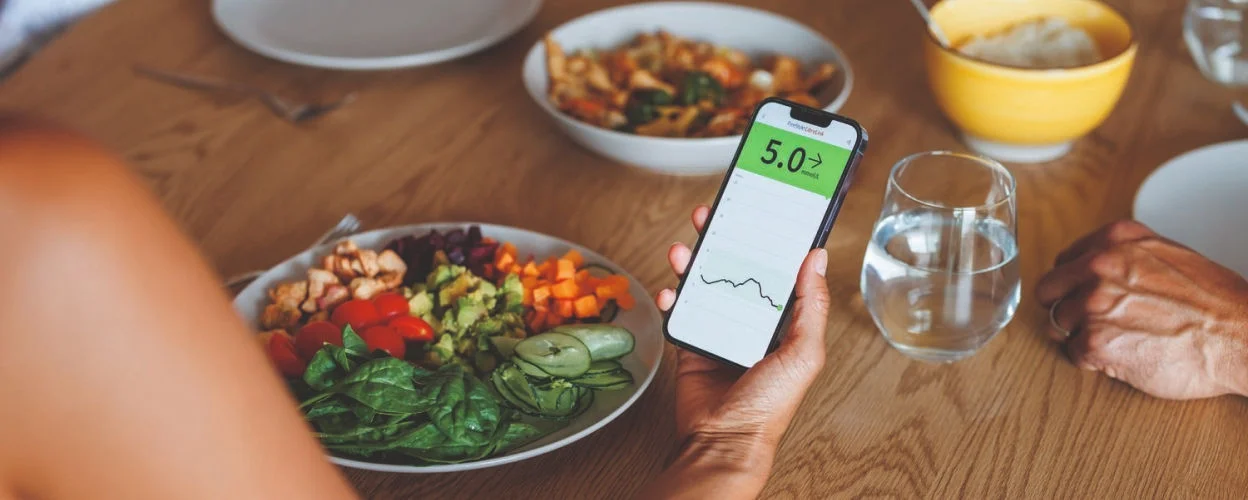
Why balancing your plate can make a real difference in managing diabetes.
You don’t need a perfect diet to make progress. Discover how this easier approach to balanced eating can support your health.
Welcome to Our New Libre Online Store.
Enjoy an enhanced online experience with easier navigation and account management. Read more ( PDF, 211 KB) ADC-2695010 v1.0



When you’re diagnosed with diabetes, you’re asked to make changes to how you eat—sometimes a lot of them. And that can feel overwhelming.
You try to eat more vegetables. You choose lean proteins. But despite your best efforts, your glucose levels still aren’t where you want them to be. That can be frustrating.
If you’ve ever felt this way, you’re not alone. Here’s an easy change that might help: food sequencing.
It’s a science-backed approach that might not require cutting out foods—just changing the order in which you eat them.
With food sequencing, some people see steadier glucose after meals370,371. And over time, this small shift may even lower HbA1c372.
Keep reading to learn:
Imagine sitting down to lunch—whole wheat bread, broccoli, and chicken. You’ve made a healthy choice, but what if a simple tweak could help keep your glucose steadier after eating?
Food sequencing follows this basic pattern370:
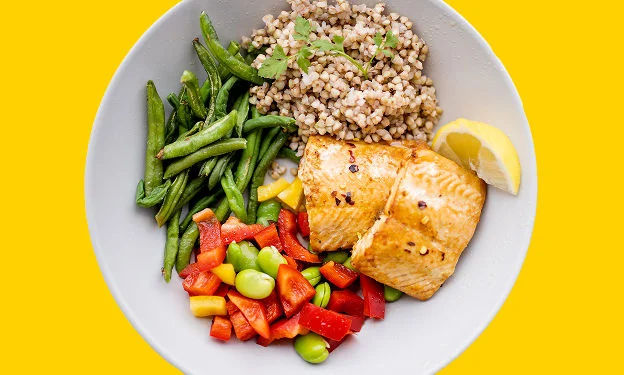
1. Start with vegetables.
2. Follow with protein.
3. Finish with carbs.
You might also hear food sequencing called the “vegetables first”372 or “carbohydrates last”373 method.
Nutrition is personal, and many factors impact glucose levels307. The Libre 2 Plus system makes it possible for you to try this method out for yourself and see if it's effective for you, using personalized glucose trends and patterns.
Food sequencing appears to slow digestion and control how quickly glucose enters your bloodstream, which may help prevent post-meal spikes370.
Here’s how it works.
1) The fiber in vegetables slows digestion370.
Vegetables contain fiber, and eating fiber is a well-established tip for managing glucose levels370,375. The body doesn't absorb and break down fiber. In fact, soluble fiber creates a gel-like substance in the stomach that slows digestion—which can help control glucose levels375. Can you maximize its benefits? Potentially, yes—by eating it before carbs370.

2) Protein generates helpful hormones370.
A study found that eating just vegetables before carbs wasn’t as effective at lowering glucose levels—adding a protein source was essential371.
Similar to eating fiber, eating protein-rich foods like chicken, fish, eggs, and tofu379 before carbs helps slow down digestion. This gives your body more time to process glucose370.
Unlike fiber, protein triggers GLP-1, a natural hormone that helps regulate glucose and reduces appetite. GLP-1 keeps you feeling fuller longer and helps reduce cravings370.
3) Healthy carbs are best saved for last.
As a food group, carbs have the biggest impact on glucose380. By saving carbs for last, you allow fiber and protein to act as a buffer, slowing digestion. Glucose enters the bloodstream more gradually, reducing post-meal spikes371.
Many people find it challenging to cut carbs completely. The good news is, you don’t have to381. Instead, try saving them for the end of your meal. Don’t forget to make easy swaps for healthy carbs, too.
Follow these quick tips to make food sequencing part of your daily meal planning.
1. Start every meal with vegetables.
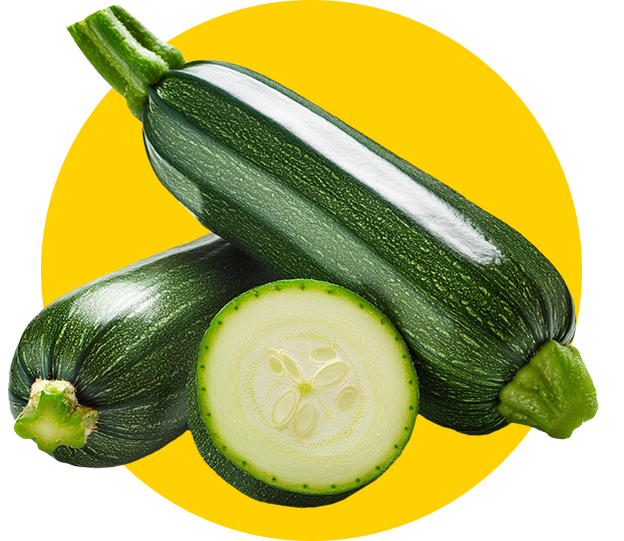
Whether raw, cooked, or steamed, options like leafy greens, cucumbers, zucchini, or bell peppers are great choices377.
2. Incorporate a protein source.
Eggs, chicken, fish, tofu, or beans can help keep you full and steady your glucose379.
3. Save (healthy) carbs for last.
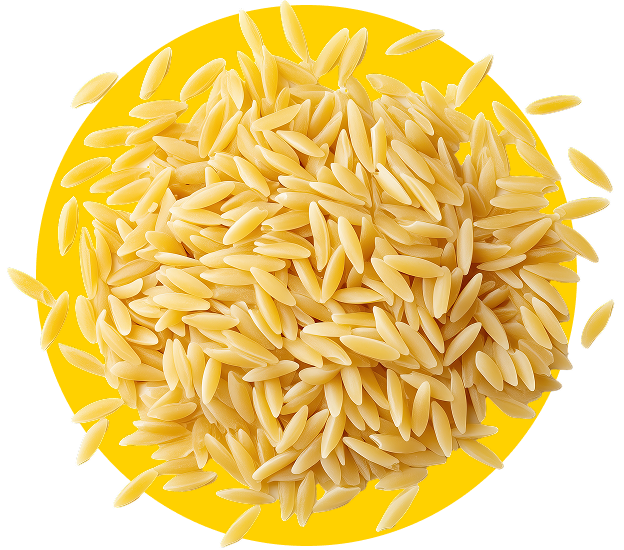
Enjoy whole wheat bread, brown rice, whole grain pasta, or starchy vegetables like sweet potatoes after you’ve eaten your vegetables and protein382.
4. Season simply.
Use herbs, spices, or a drizzle of olive oil to add flavor without relying on heavy sauces, which often include sugar.
5. Balance your plate.
Try to make vegetables half of your meal and proteins and carbs each a quarter383.
Another option is to try food sequencing for just one meal a day. Here are some diabetes meal plan ideas for breakfast, lunch, and dinner:
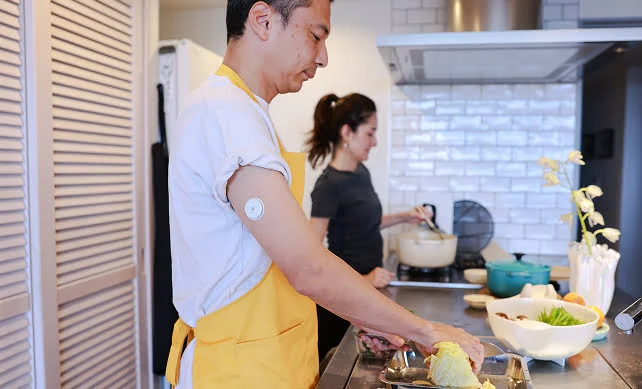
Food sequencing can be an approachable way to manage glucose. But how do you know if it’s helping?
The Libre 2 Plus system helps you make informed choices7 so you can see the difference even small changes can make.
The following steps may be useful for getting started387,388,389.
1. Consult your care team.
Before starting, discuss with your doctor or dietitian how to effectively use the Libre 2 Plus system to assess the impact of food sequencing.
2. Establish a baseline.
Spend a few days eating a normal dinner that includes vegetables, proteins, and carbs. Monitor and record how your glucose responds.
3. Try food sequencing.
For the next few days, try sequencing your dinner foods by eating vegetables first, followed by protein, and finishing with carbs. Continue to use the Libre 2 Plus system to see how your glucose responds.
4. Compare results.
Look for differences in your post-meal glucose spikes between baseline meals and sequenced meals.
5. Review with your care team.
Share your data with your doctor or dietitian to get additional feedback and support for your diabetes meal planning.
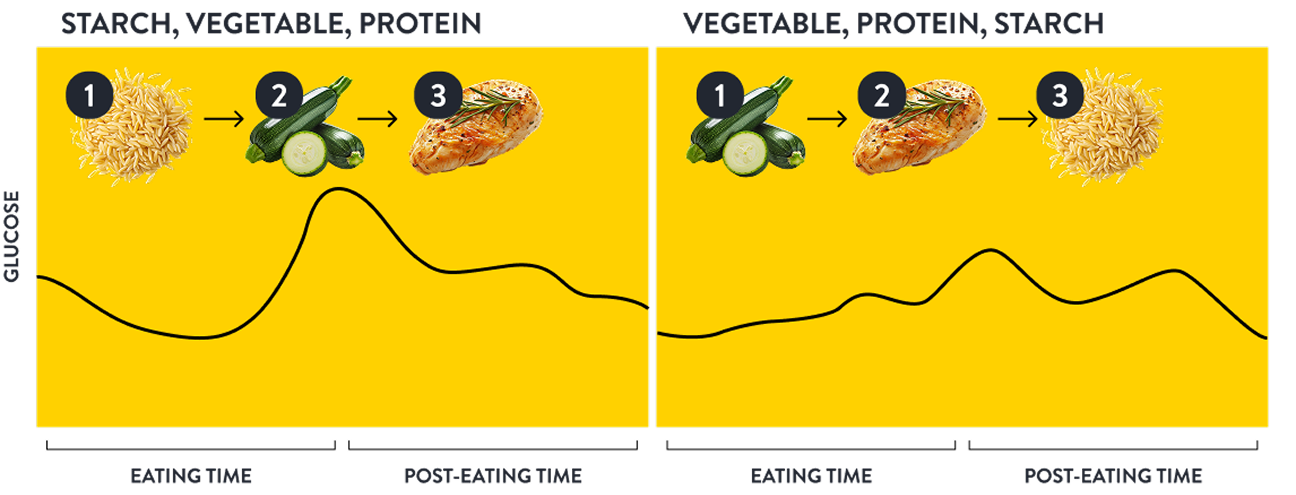
Graph for illustrative purposes only.
Food sequencing isn’t just about time in range. It offers a few potential benefits for managing diabetes.
1. Feel fuller for longer.
Ever finish a meal or snack and still feel hungry? Starting with fiber-rich vegetables and protein can help you feel full sooner and stay satiated longer370.
2. Increase your overall fiber intake.
A higher-fiber diet can support time in range, heart health, and digestion384. In one study, people with diabetes who followed food sequencing ended up eating much more fiber than those who didn’t. They also reduced carbs, cholesterol, and salt372.
3. Slow down and avoid overeating.
By eating one food group at a time, food sequencing may help you eat more slowly overall. Eating too quickly can lead to overeating because it takes about 20 minutes for your stomach to signal your brain that you’re full374.
4. Make healthy eating easier.
Research suggests that food sequencing is sustainable373. It’s not about strict rules or giving up your favorite foods—it’s just a shift in how you eat the foods on your plate. No matter your culture or cuisine, you will likely be able to apply this method.
Food sequencing is just one tool in your diabetes management toolbox, but it could make a big difference. Start small, observe how your body responds, and take it one day at a time. These little steps can add up to real progress and help you live life with diabetes on your terms.
The right diabetes meal plan not only provides the nutrients your body needs but also helps keep your glucose levels steadier after eating. Over time, an effective diabetes meal plan can support weight management, improve insulin sensitivity385, and even help some individuals slow or reverse the progression of early-stage type 2 diabetes386.
Food sequencing should complement, not replace, established dietary strategies like carb counting and portion control384. It’s an additional tool to help stabilize glucose, but it works best alongside a balanced diet, regular physical activity, and your overall diabetes care plan.
Food sequencing is about small adjustments, not perfection. To introduce fiber first, consider having a small salad, vegetable soup, or raw vegetable sticks before your main meal. Then, do your best to choose “combination” foods that offer plenty of vegetables and lean protein.
At restaurants, you can still follow food sequencing. Skip the bread basket, or ask the server to deliver it later. Instead, start with a salad, vegetable-based appetizer, or steamed vegetables. Choose a protein-rich main course, like grilled fish, chicken, or tofu. If you eat bread, rice, or pasta, do so at the end of your meal.


As a member of Libre Care, we will keep you informed about important information designed to enhance your Libre experience.

You are about to exit the Abbott family of websites for a 3rd party website
Links which take you out of Abbott worldwide websites are not under the control of Abbott, and Abbott is not responsible for the contents of any such site or any further links from such site. Abbott is providing these links to you only as a convenience, and the inclusion of any link does not imply endorsement of the linked site by Abbott.
The website that you have requested also may not be optimized for your screen size.
Do you wish to continue and exit this website?