
Eat right on the go: 7 healthy snacks for diabetes.
Need something fast and healthy? These 7 quick snack ideas can help you stay fueled, satisfied, and on track with your goals.
Welcome to Our New Libre Online Store.
Enjoy an enhanced online experience with easier navigation and account management. Read more ( PDF, 211 KB) ADC-2695010 v1.0


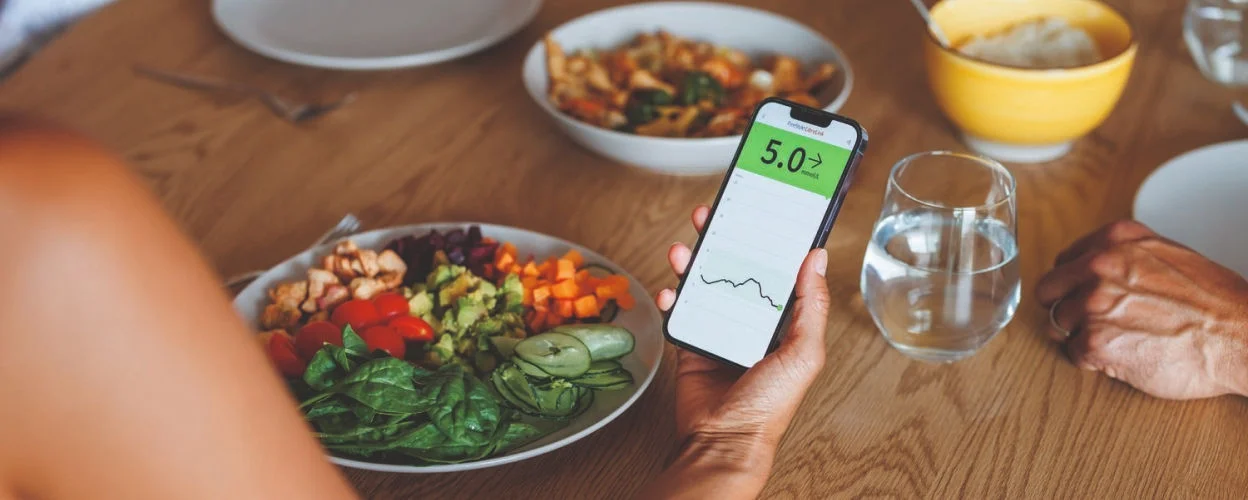
Food nourishes more than just your body—it’s woven into your daily routine, traditions, and shared moments.
So when you're diagnosed with diabetes, it can feel like everything about food has to change. Suddenly, every meal becomes a question: What should I eat? Will this spike my glucose? Am I getting it right?
Understanding how food impacts your body can feel overwhelming. One of the easiest ways to start? Learn how to balance your plate.
This approach can help you keep glucose levels more stable—without complicated counting391.
Discover how balanced eating impacts your glucose levels with the Libre 2 Plus system, a continuous glucose monitor (CGM)389 . Make informed choices and see the difference even small changes can make389.
Keep reading to learn:
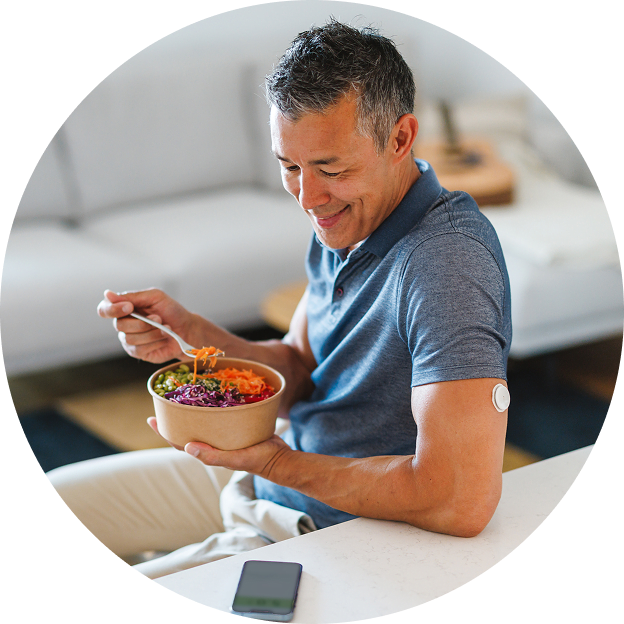
Every time you eat, your body breaks down food into nutrients that provide energy. One of these nutrients is glucose, which enters your bloodstream and is used by your cells. But if you have diabetes, your body struggles to use glucose effectively392.
Different foods impact glucose in different ways, and your Libre 2 Plus system data can help you see how your body responds to what you eat387.
How each food group affects glucose levels:
Healthy eating isn’t always easy, but every small change adds up. Research suggests that balanced eating patterns can help reduce insulin resistance and may even slow the progression of type 2 diabetes386. You don’t have to get it perfect overnight—just start where you are, one meal at a time.
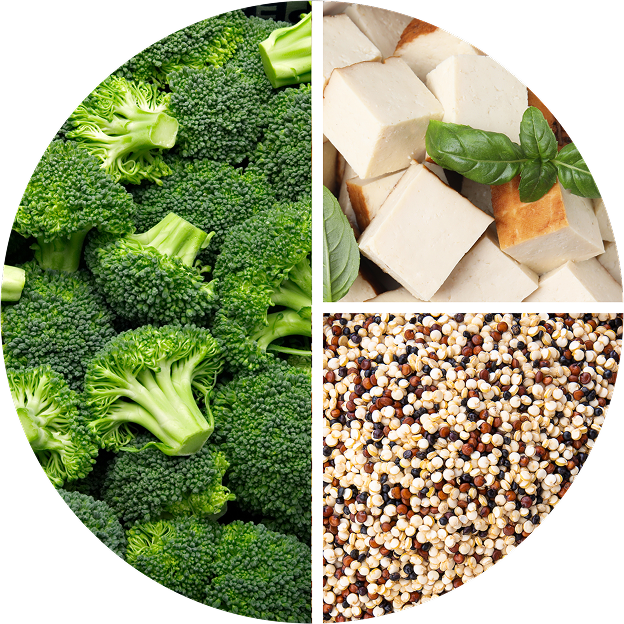
The diabetes plate method is an easy way to build a balanced meal if counting carbs or calories feels too overwhelming. By structuring your plate with the right food groups, you can support steady glucose levels while still enjoying a variety of foods391.
A note of caution: Before you start, remember not to confuse the diabetes plate method with balanced plate approaches for people without diabetes. General nutrition models may emphasize whole grains and fruits in larger portions396. For people with diabetes, following those general recommendations could lead to glucose spikes. Consult with your healthcare team before making any changes in your diet.
Start with a small plate
Using a smaller plate of about 20 centimeters, rather than a large dinner plate, can help with portion control and prevent overeating391.

Fill half your plate with non-starchy vegetables
Non-starchy vegetables are low in carbohydrates and calories while rich in fiber, making them ideal for filling half your plate391.
Examples of non-starchy vegetables include377:
For the diabetes plate method, count starchy vegetables, such as potatoes, corn, and peas, as carbohydrates, not vegetables397.
Tip: Use frozen or pre-chopped vegetables to save time while cooking.
Add protein to a quarter of the plate
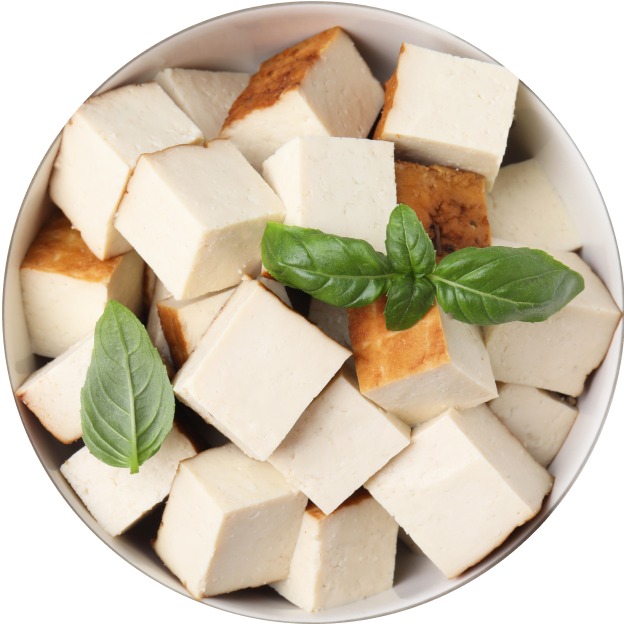
Protein is important for building muscle and healing skin, and can even help with weight management. Yet many people with diabetes have trouble getting enough daily protein394.
Examples of healthy proteins include379:
Tip: Opt for grilled, baked, or roasted options instead of fried proteins.

Make carbs the last quarter of your plate
Healthy carbs give you energy, fiber, and important nutrients. But keeping an eye on portion sizes is key, especially if you use insulin398.
Examples of healthy carbohydrates include382:
Tip: Try eating your carbs last, after your vegetables and proteins. This kind of food sequencing could help you avoid glucose spikes.
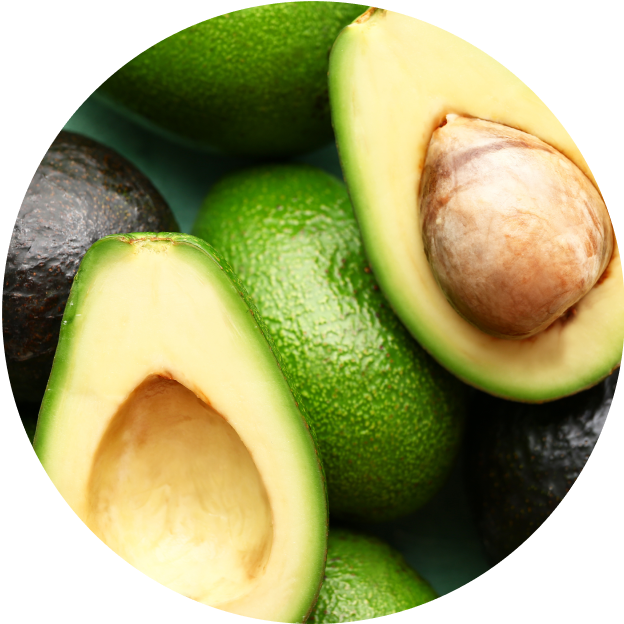
Use healthy fats in moderation
Healthy fats provide sustained energy and allow your body to absorb certain nutrients. However, they are calorie-dense, so moderation is key399.
Examples of healthy fats include399:
Unhealthy fats, particularly saturated and trans fats, can contribute to insulin resistance and increase the risk of heart disease. These fats are commonly found in fried foods, processed snacks, and baked goods393.
Tip: To include healthy fats, drizzle olive oil on roasted vegetables or sprinkle nuts or seeds on salads or yogurt.

Choose a diabetes-friendly drink
Water is the optimal choice for hydration as it contains no calories or carbohydrates, ensuring it doesn't affect glucose levels. Staying well-hydrated supports overall health and helps maintain stable blood sugar400.
Other healthy drink options include401:
Tip: Avoid sugary drinks such as regular sodas, fruit juices, and energy drinks, as they can cause rapid increases in glucose levels401.
Eating balanced meals doesn’t have to be complicated. Plan ahead to ensure you have ingredients ready to add to your plate.
Breakfast
Half of the plate: Sauteed spinach, bell peppers, tomatoes, or mushrooms
Quarter of the plate: Eggs, cottage cheese, smoked salmon, or nut butter379
Quarter of the plate: Whole-grain toast or steel-cut or rolled oats, berries, or beans398
Tip: Add slices of avocado to savory breakfasts for a healthy fat source.402
Dinner
Half of the plate: Roasted cauliflower, broccoli, or Brussels sprouts404
Quarter of the plate: Grilled or baked tofu or shrimp379
Quarter of the plate: Sweet potatoes, brown rice, or whole-wheat flatbread398
Tip: Flavor dishes with homemade sauces that don’t include sugar, such as a mix of olive oil and vinegar405.
Not every meal fits neatly into the diabetes plate method—and that’s okay. Dishes like casseroles, soups, sandwiches, pizza, and pasta combine different food groups, but you can still use the same balanced approach to keep your meal in check.
Think about the main ingredients—non-starchy vegetables, protein, and carbohydrates—and aim for the right proportions. Small tweaks can make a big difference.
Pizza: For healthy pizza406, opt for a thin, whole-grain crust, pile on vegetables like peppers and spinach, and choose lean protein like chicken or tofu. Pair with a side salad to keep half your meal vegetables.
Soup: For a balanced soup407, go for a broth-based version packed with vegetables and lean protein. Swap out white potatoes or noodles for whole grains like barley or quinoa.
With a few simple adjustments, you can enjoy your favorite dishes while keeping meals balanced.
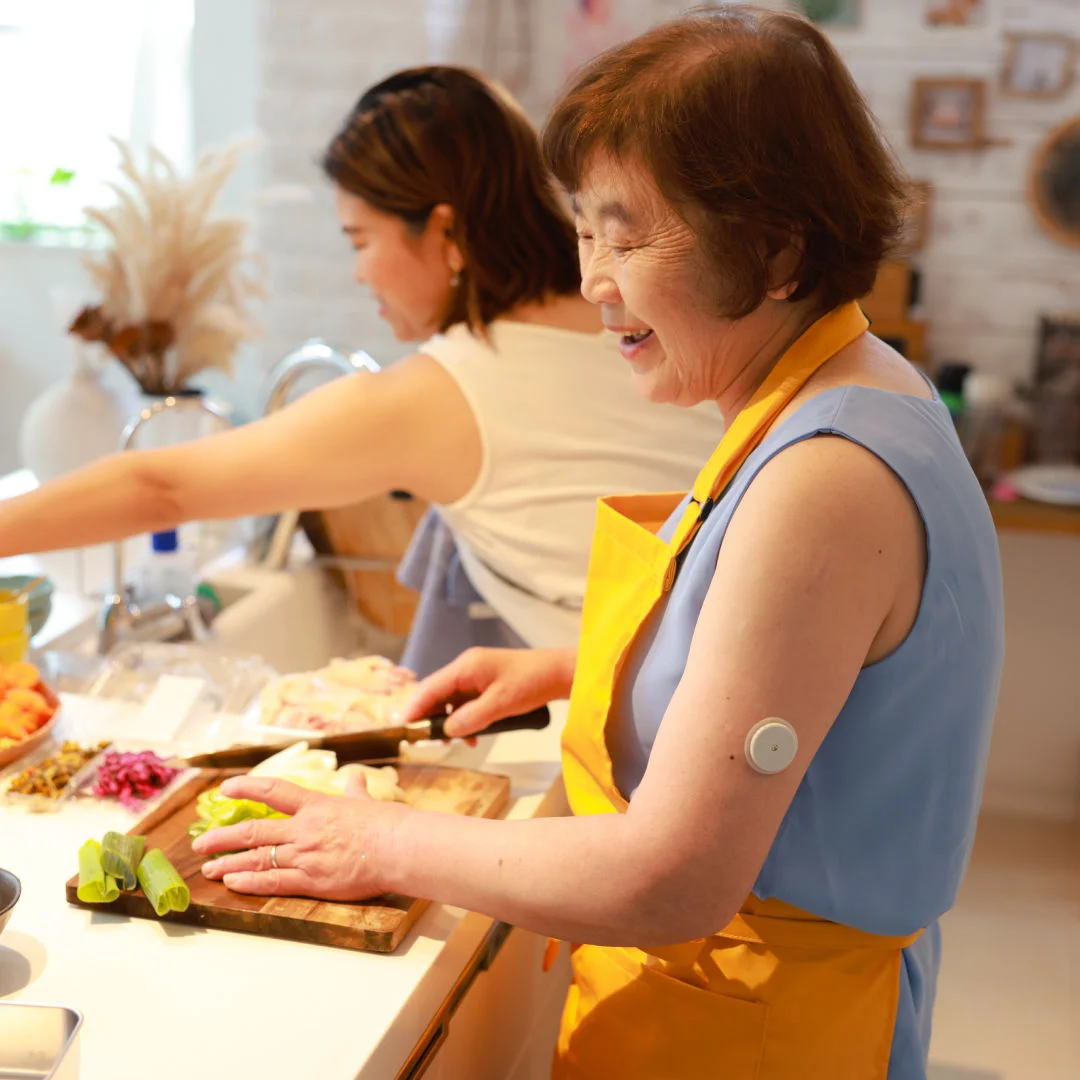
Everyone’s body responds differently to food, and the best way to understand how meals impact your glucose is to see the data for yourself.
The Libre 2 Plus system can provide clear insights into how different food choices affect your time in range390. Try this simple experiment with your Libre 2 Plus system to see how a balanced plate with vegetables and protein may impact your glucose levels387,388,389.
1. Consult your care team.
First, talk with your doctor or dietitian about how to safely use your Libre 2 Plus system to track meals and glucose response.
2. Establish a baseline.
For a few days, eat your usual meals. Use your Libre 2 Plus system to monitor and record your glucose response for 1-3 hours after eating.
3. Try the diabetes plate method.
For the next few days, adjust your meals to follow the diabetes plate method as described in this article. Continue to track your glucose response with your Libre 2 Plus system after meals.
4. Compare results.
Look for differences in glucose spikes and trends between your baseline meals and the balanced plate meals.
5. Review with your care team.
Share your Libre 2 Plus system data with your doctor or dietitian. They can help you fine-tune your meals and make small changes that support better glucose management.
Using your Libre 2 Plus system to test and adjust can help you personalize your meals and make small changes that work for your body. Over time, you’ll get a clearer picture of how food affects you—helping you make choices that support more stable glucose levels389.
Managing diabetes can feel overwhelming, but small, easy changes can make a real difference. The diabetes plate method helps you build meals that support steadier glucose levels—without complicated tracking or restrictions.
With your Libre 2 Plus system, you can see the impact of your food choices, making it easier to adjust and find what works best for you389.
You don’t have to change everything overnight. Start with one meal. One small shift. Over time, those choices can add up—to more stability, more confidence, and more control over your diabetes.


As a member of Libre Care, we will keep you informed about important information designed to enhance your Libre experience.


You are about to exit the Abbott family of websites for a 3rd party website
Links which take you out of Abbott worldwide websites are not under the control of Abbott, and Abbott is not responsible for the contents of any such site or any further links from such site. Abbott is providing these links to you only as a convenience, and the inclusion of any link does not imply endorsement of the linked site by Abbott.
The website that you have requested also may not be optimized for your screen size.
Do you wish to continue and exit this website?