

Why balancing your plate can make a real difference in managing diabetes.
You don’t need a perfect diet to make progress. Discover how this easier approach to balanced eating can support your health.
Welcome to Our New Libre Online Store.
Enjoy an enhanced online experience with easier navigation and account management. Read more ( PDF, 211 KB) ADC-2695010 v1.0


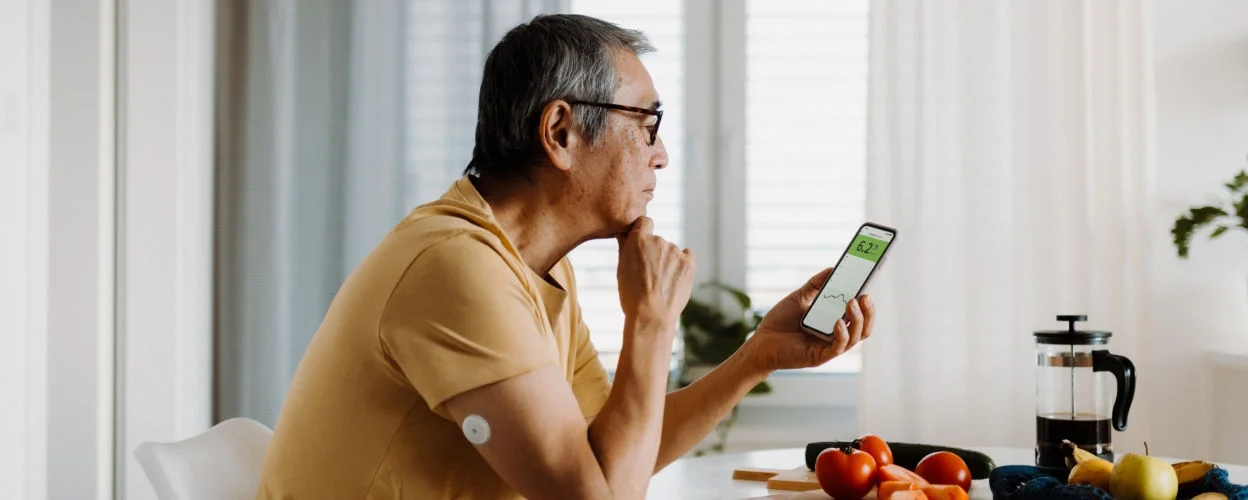
A diabetes diagnosis and the day-to-day management can feel overwhelming. This is how mom and caregiver, Dawn Culver-Henkel felt: “I was scared and felt like I was facing my mortality… I felt shackled.”337
Before she started using the FreeStyle Libre 2 Plus system, Dawn hated the seemingly never-ending finger-pricks and the constant need to manage insulin.337
Diabetes care can touch so much of the day, like eating, physical activity, treatment, and stress.338 This can bring on a range of emotions.
For example:
These worries and negative emotions are called diabetes distress.339
Have you felt this way? If so, you’re not alone.
33% to 50% of people with diabetes have diabetes distress.340
Stress can impact your diabetes.
According to the Centers for Disease Control and Prevention, stress can cause your glucose levels to spike or drop.340 Stress can affect how glucose gets processed in the body.341 Everything from physical activity to food choices can impact how your body reacts. Everyone is different; people who have similar frustrations can have varying glucose reactions. Here are some ways to understand and address your stress.
The American Diabetes Association created a simple guide to help you understand how stress affects your glucose levels.342 Keep a diary for 2 weeks about what makes you stressed. For example:

Review and measure those moments:

Seeing patterns may help you learn more about your feelings and how stress impacts your body.342
The very struggle to control glucose can make you feel stressed.339 People with diabetes are 20% more likely than those without diabetes to have anxiety.340 This can lead to high glucose levels (hyperglycemia) - let's use sugar levels. Chronic hyperglycemia can lead to insulin resistance and type 2 diabetes.341
The good news is there are things you can do to try to ease your stress.
Here are some tips that may help you make progress, one step at a time. Keep in mind that what works for one person may not work for another:
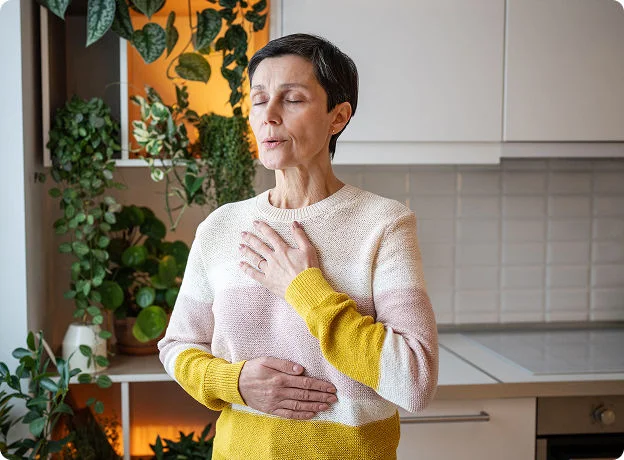
Studies show that “belly breathing,”343 can improve levels of the stress hormone, cortisol. It can also improve blood pressure.344
To belly breathe, place a hand below your rib cage to feel your diaphragm move as you breathe. Breathe deeply and slowly through your nose then exhale through pursed lips.343

According to a 2022 study by Qing Li, a simple walk in the woods could help you unwind. “Forest bathing” or spending some time in a lush forest has been shown in a small study to reduce stress.345
Do you like spending time in the garden? See how growing your favorite blooms or vegetables may affect your mood. According to a 2022 research review, gardening is an outdoor activity that has helped people to feel better.346

According to a September 2024 research review in the Journal of the Endocrine Society, it may also be helpful to reach out to other people with diabetes who can understand and empathize with your feelings.348 Finding a “diabuddy” can bring a source of empathy and relatable community.

With the FreeStyle Libre 2 Plus system, you can easily check your glucose levels at any time with real-time readings—no finger pricks needed.10 In a study, use of a continuous glucose monitor (CGM) like the FreeStyle Libre 2 Plus system was associated with improved A1c.350 Learn more about the FreeStyle Libre 2 Plus system.
When Dawn Culver-Henkel started using the FreeStyle Libre 2 Plus system, it had a profound impact not only on her diabetes management but how she approaches her condition:
“I feel powerful. I’m learning the effect of everything I eat and all my exercise on my numbers, so I’m confident making decisions.”6
- Dawn Culver-Henkel

The views expressed should not be used for medical diagnosis or treatment or as a substitute for professional medical advice. Individual symptoms, situations and circumstances may vary.
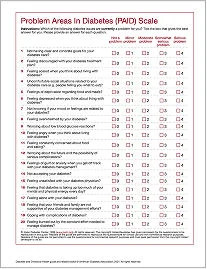
Use this questionnaire to assess your diabetes distress:
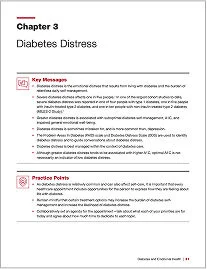
Learn more about diabetes distress with the American Diabetes Association:

As a member of Libre Care, we will keep you informed about important information designed to enhance your Libre experience.


You are about to exit the Abbott family of websites for a 3rd party website
Links which take you out of Abbott worldwide websites are not under the control of Abbott, and Abbott is not responsible for the contents of any such site or any further links from such site. Abbott is providing these links to you only as a convenience, and the inclusion of any link does not imply endorsement of the linked site by Abbott.
The website that you have requested also may not be optimized for your screen size.
Do you wish to continue and exit this website?