

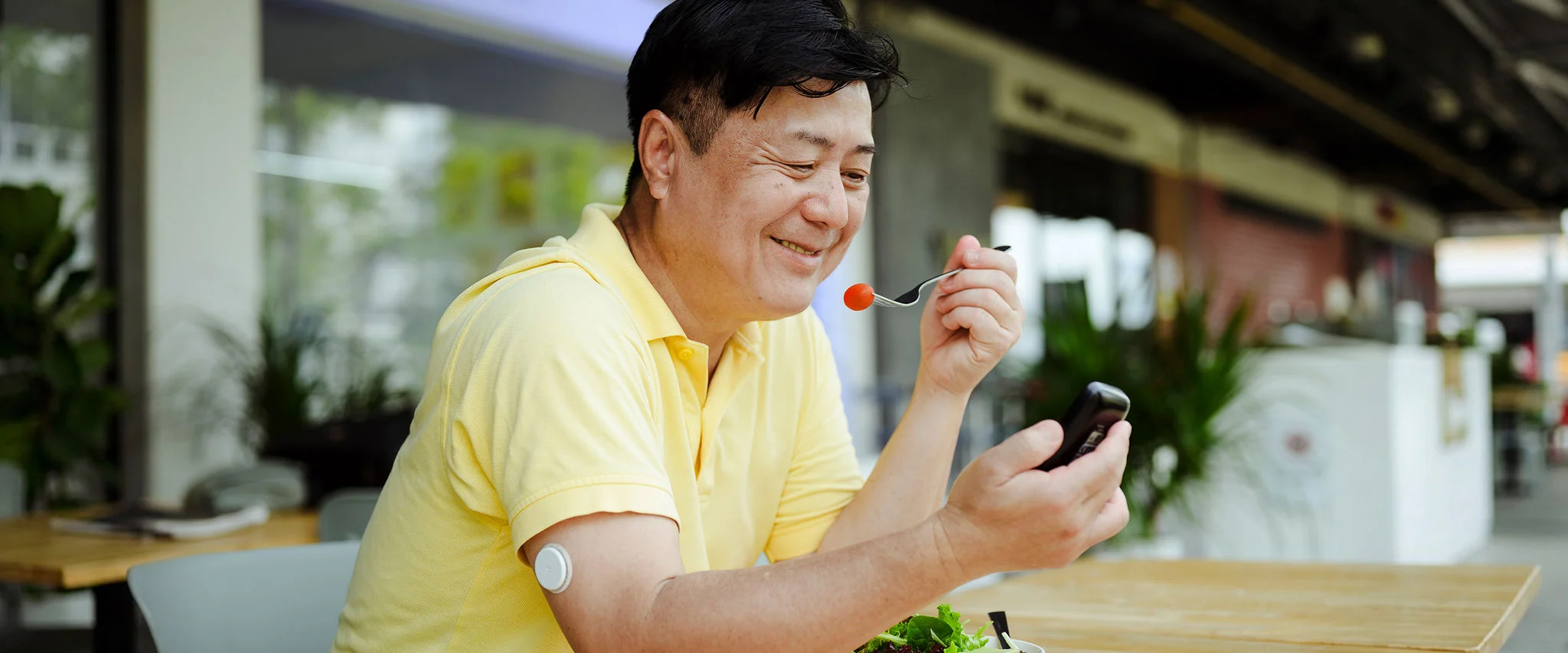
Dawn didn’t know anything was wrong—until her FreeStyle Libre 2 Plus alarm18 went off in the middle of the night. Her glucose was climbing.
“I went some unknown amount of time with elevated glucose and had no idea6,495,” she says. She feels grateful for the alerts: “It’s like being shaken awake by someone who loves you.”
High glucose can be confusing, especially when you’re not sure what’s causing it472. Sometimes, you might miss hyperglycemia signs and symptoms altogether475.
The emotional burden is real—people living with diabetes experience distress about hyperglycemia about half the time490. You deserve a hyperglycemia care plan that works for you.
With the FreeStyle Libre 2 Plus system you’ll know when glucose is too low, too high, or right where it should be so you can make more confident choices7. In fact, for people with elevated HbA1c levels, a continuous glucose monitor (CGM) is shown to lead to significant reductions in those levels476.
Read on to learn about hyperglycemia:
- Causes
- Symptoms
- Prevention Tips
What is hyperglycemia—and what causes it?

Hyperglycemia happens when you have too much glucose in your blood stream. When your body has too little insulin or can’t use it properly, this glucose can’t enter your cells for energy477.
If you're living with diabetes, the systems that normally help move glucose out of your blood and into your cells might not be working as efficiently478.
A HbA1c test measures your average glucose levels over the past 2-3 months. The higher your levels, the higher your risk of developing complications302.
What causes high glucose levels? Common triggers include477:
- Eating more carbohydrates than your body can process at the moment
- Changes in your physical activity—like moving around less than usual
- Stress, illness, or even poor sleep
- Missed medication or medication not suited to your needs
- Dehydration493
- Dawn phenomenon, a common surge in glucose in early morning hours
How to recognize hyperglycemia signs and symptoms

Your body has ways of letting you know when glucose is running high. Some common early symptoms to look out for include477:
- Headaches
- Frequent urination (peeing)
- Feeling excessively thirsty or hungry
- Feeling very tired
- Blurred vision
What happens if you don’t treat hyperglycemia?
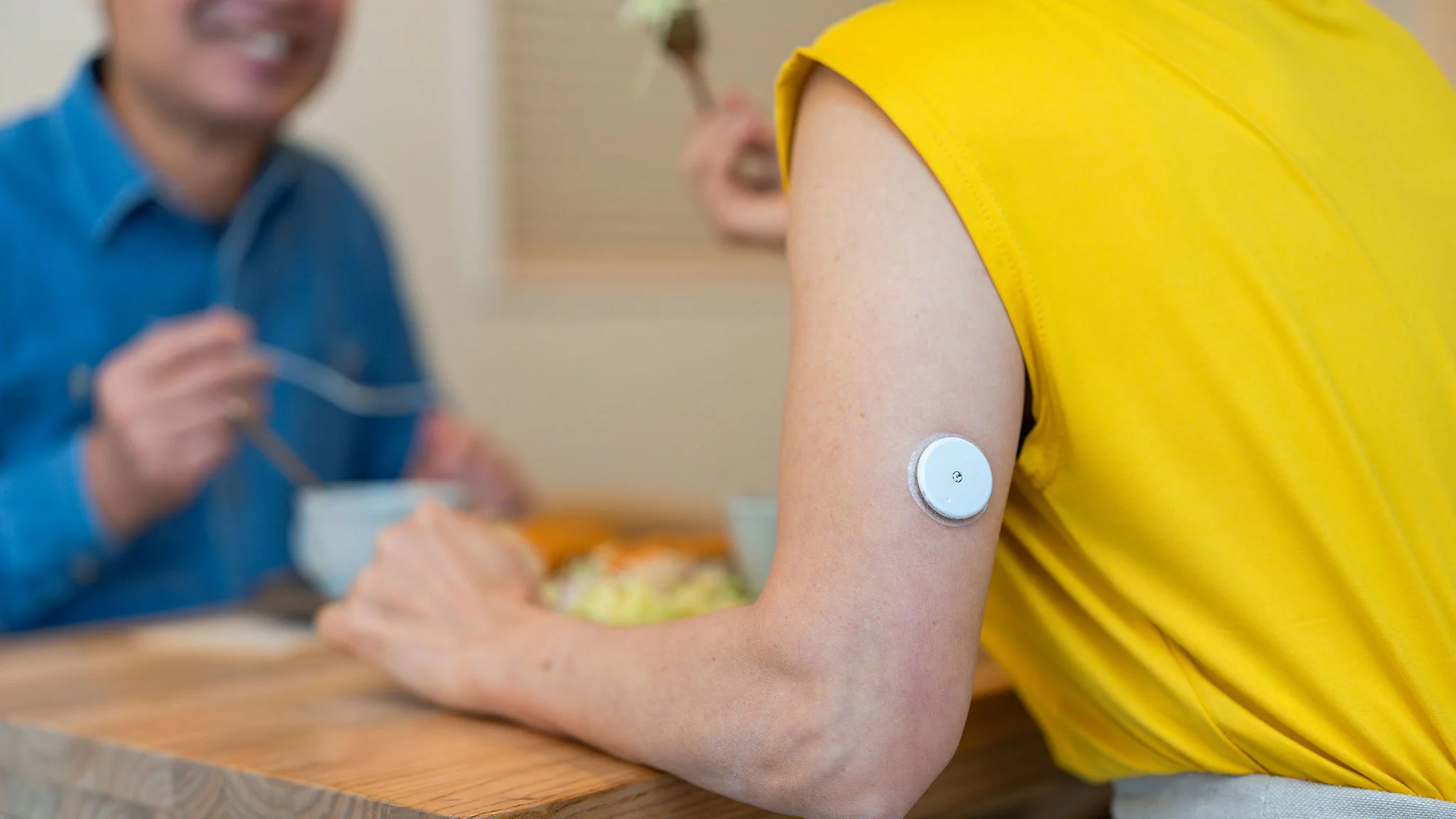
Long-term symptoms of hyperglycemia include477:
- Unintentional weight loss
- Recurrent infections (e.g. skin or bladder infections)
- Cuts and sores that take longer to heal
High glucose levels can lead to a condition called diabetic ketoacidosis (DKA)481. This is a medical emergency where your body starts breaking down fat for fuel, instead of glucose, which creates an acid called ketones481. Left untreated, this can lead to serious complications, including coma481.
The FreeStyle Libre 2 Plus system automatically calculates the percentage of time you spend in, above, and below your glucose target range, helping you understand your hyperglycemia patterns over time30,31.
Care plan and practical tips to avoid hyperglycemia.
Diabetes management can be stressful490. Start with a small but powerful step—understanding how factors like food, movement, hydration, and stress can cause your glucose levels to change338.
CGMs are great companions for tracking glucose.
Continuous glucose monitoring with the FreeStyle Libre 2 Plus system lets you easily see patterns in your readings to learn how food, activity, and insulin impact your glucose17. App readings, graphs, and trend arrows make it easier to make more informed choices7, while optional, escalating alarms18 let you know the minute glucose is too high.

Make friends with balanced eating.
As you build your plate, be sure to pair carbs with protein, fat, or fiber. This can help keep your glucose from rising too quickly383.
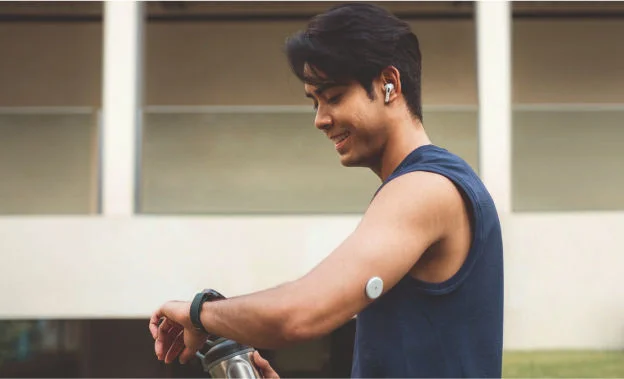
Move in ways that feel good.
Physical activity helps your body use glucose more efficiently333. Aim for 150 minutes of moderate-intensity activity a week, which could look like 30 minutes a day, five days a week484.
Check your glucose before and after exercising, as activity can sometimes cause it to drop333.
.jpg)

Make space for calm.
Life can get stressful, and stress can affect your glucose, too488. Find ways to reduce stress when you can, like yoga or meditation.
Feel confident in how you lower your glucose levels, one step at a time.
Remember that small, consistent actions can make the biggest difference for hyperglycemia.
Whether it’s staying on top of your medication477, making balanced food choices483, staying active333, or managing stress488, small steps can help prevent glucose spikes and support your overall well-being.
With the FreeStyle Libre 2 Plus system you’re not just tracking numbers—you’re building confidence and turning daily care into long-term progress.
Join the 7 million people who use the Libre systems worldwide1.
Learn more about the Libre 2 Plus systems today.

Helping you progress is part of the program.
As a member of Libre Care, we will keep you informed about important information designed to enhance your Libre experience.

More articles you may like.
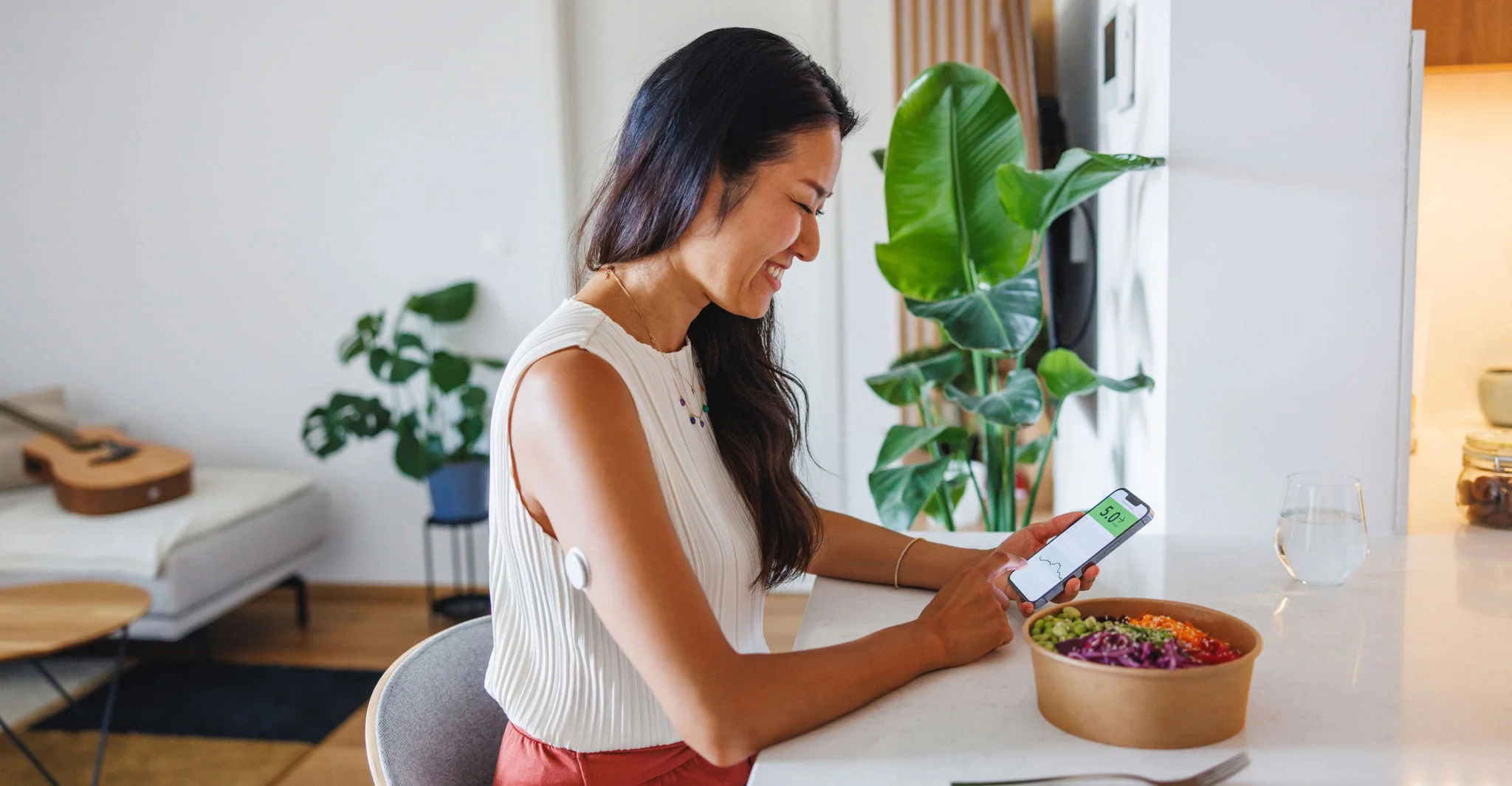
What is HbA1c and how is it used to measure diabetes?
HbA1c is important in monitoring diabetes. However, HbA1c on its own does not tell the full story.
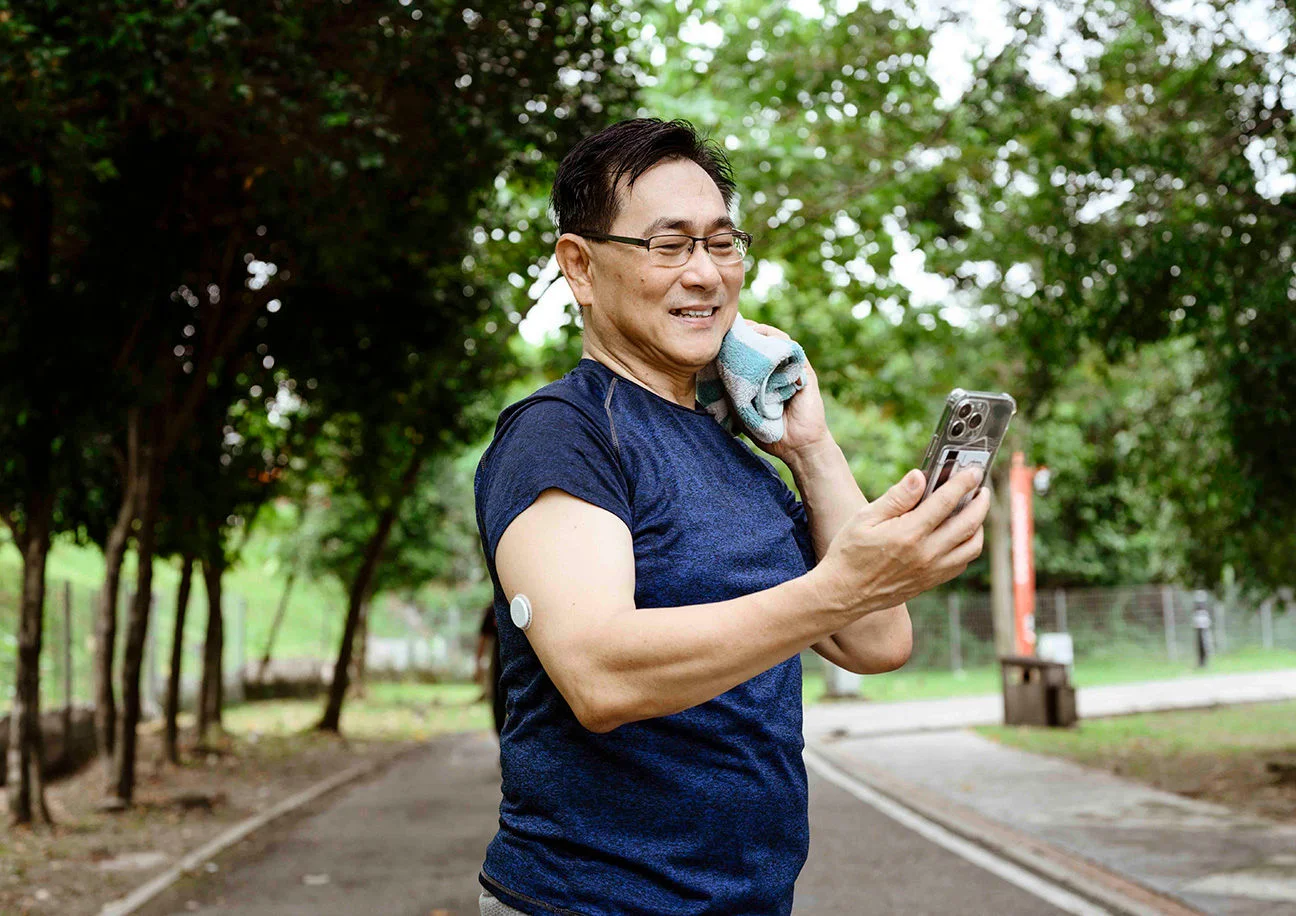
How often should you monitor your glucose levels?
It depends on factors specific to your lifestyle, sugar level goals, and more!

What rising ketones and DKA mean when living with diabetes
Knowledge is power. Learn what rising ketones and DKA mean, and how awareness can support your overall approach to diabetes management.
ADC-2689898 v1.0