
Hyperglycemia tips to keep you ahead of high glucose symptoms
Stay ahead of hyperglycemia with these easy, practical tips to help you manage high glucose symptoms more effectively and bring more balance to your day.
Welcome to Our New Libre Online Store.
Enjoy an enhanced online experience with easier navigation and account management. Read more ( PDF, 211 KB) ADC-2695010 v1.0



Gibran was playing soccer as a child when he was rushed to the hospital with his first diabetic ketoacidosis (DKA) episode.
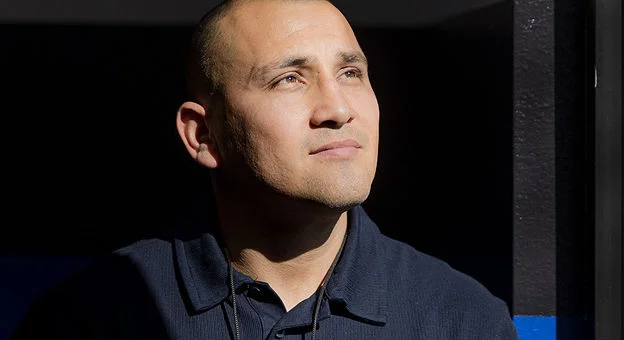
“I was going to the restroom every five minutes, feeling nauseous, dehydrated, and my breath was smelling funky,” he recalls. By the time his parents took him to the hospital, he had lost 20 pounds in two weeks—and he was minutes away from going into a coma. This is how Gibran, now a youth soccer coach, was first diagnosed with Type 1 diabetes495,6
It’s not unusual for people with diabetes to mistake the symptoms of high ketones or DKA for an illness like the flu519. But the symptoms could be something more serious: diabetic ketoacidosis (DKA), a condition that can impact anyone who relies on insulin504 or SGLT2 inhibitors520.
For people living with diabetes, DKA is actually the most common emergency related to high glucose levels497,499, though in rare cases DKA can actually happen without high glucose497,510.
If you think you might have DKA, seek medical care right away496.
Keep reading to learn about diabetic ketoacidosis:

Ketones can build up if the body doesn’t have enough insulin496.
A small amount of ketones is normal503—typically under 0.6mmol/L504. Be sure to talk to your healthcare professional to establish a safe action plan if ketones go above 0.6 mmol/L.
When too many ketones collect in your bloodstream, they can make your blood dangerously acidic. If not treated, ketone buildup can progress to DKA, which is a life-threatening condition481 that cannot be treated at home—DKA requires emergency medical care505.
DKA is caused by not having enough insulin in your body. Some situations, such as stress or illness, can cause your body to need more insulin than usual—increasing the risk of DKA505.

Common DKA triggers include505:
If you have diabetes, the following tips can help you stay ahead of elevated ketones and avoid an emergency505:
You’re not alone in your diabetes management. Talk to your healthcare provider505 for help making a plan and learning when to take action.
Hyperglycemia happens when you have too much glucose in your bloodstream477. With DKA, you might have high glucose levels, or levels could be lower than 11.1 mmol/L497.
DKA is defined by dangerously high ketones that make the blood too acidic. When your body doesn’t have enough insulin to use glucose for energy, it starts breaking down fat instead. This produces ketones that can build up quickly and become dangerous500.
A DKA diagnosis typically includes glucose levels of 13.9 mmol/L or more. But DKA can happen even if your glucose isn’t high. This is called euglycemic DKA, and is rarer than typical DKA497.


As a member of Libre Care, we will keep you informed about important information designed to enhance your Libre experience.



You are about to exit the Abbott family of websites for a 3rd party website
Links which take you out of Abbott worldwide websites are not under the control of Abbott, and Abbott is not responsible for the contents of any such site or any further links from such site. Abbott is providing these links to you only as a convenience, and the inclusion of any link does not imply endorsement of the linked site by Abbott.
The website that you have requested also may not be optimized for your screen size.
Do you wish to continue and exit this website?