Hyperglycemia tips to keep you ahead of high glucose symptoms
Stay ahead of hyperglycemia with these easy, practical tips to help you manage high glucose symptoms more effectively and bring more balance to your day.
Welcome to Our New Libre Online Store.
Enjoy an enhanced online experience with easier navigation and account management. Read more ( PDF, 211 KB) ADC-2695010 v1.0


.jpg)
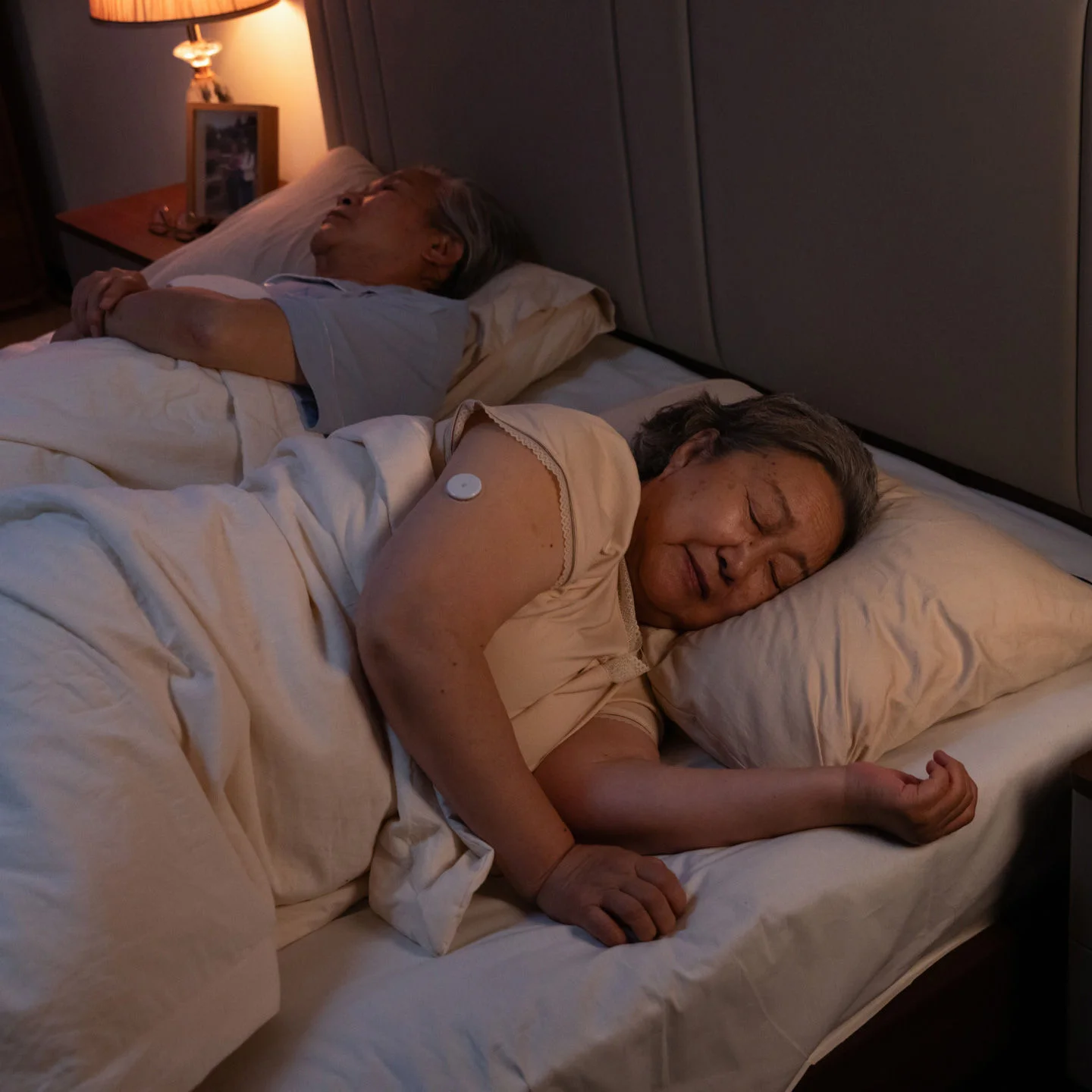
When James woke up, he didn’t notice the usual signs of low glucose—just a heavy fatigue. Then his FreeStyle Libre 2 Plus system alarm18 went off. “I was able to take immediate corrective action and avoid a tragic outcome,” says James6,495.
If you’ve experienced a worrisome hypoglycemia episode, you’re not alone514. “Hypos” can feel uncomfortable and embarrassing450, impacting work, sleep, relationships, and confidence in daily life452,515.
Fear of hypoglycemia can even lead some people with diabetes to run their glucose a bit high, just to avoid the risk of going low451—despite the health risks of high glucose477.
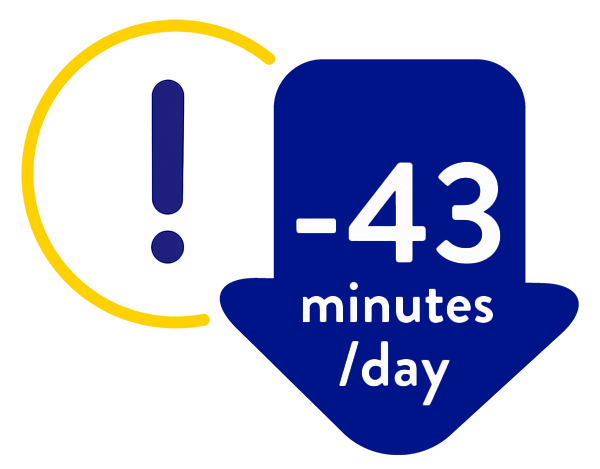
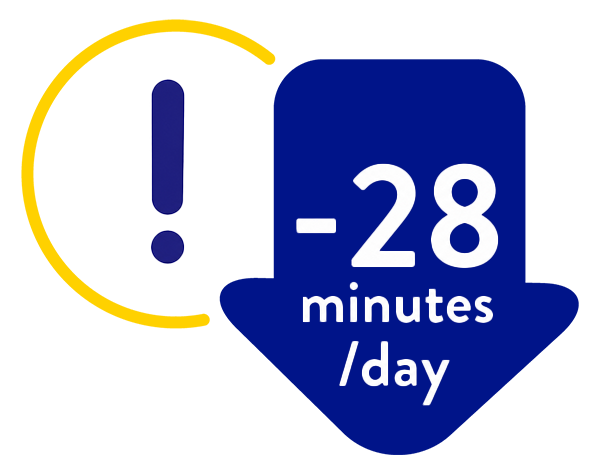
Continuous glucose monitoring (CGM) can help. With the FreeStyle Libre 2 Plus system spend less time in low glucose (<3.9 mmol/L), both during the day and at night4,28 and be notified the minute glucose is too low18.
Read on to learn about hypoglycemia:
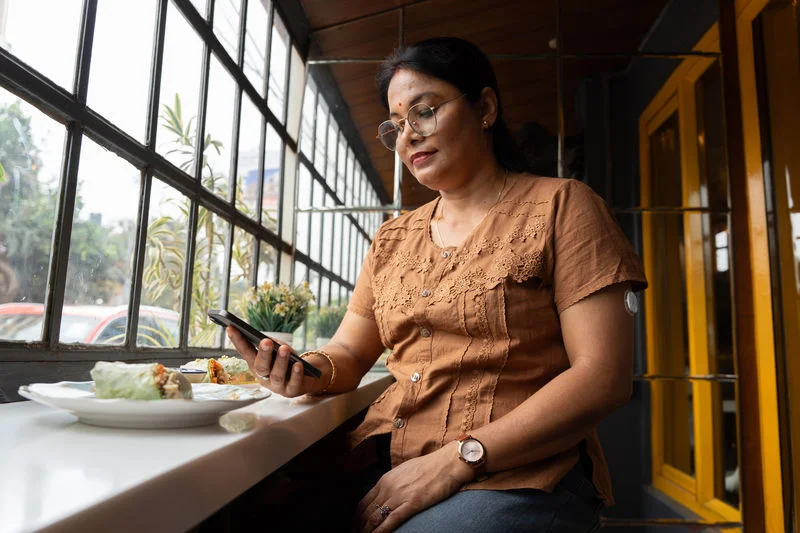
Hypoglycemia is when your glucose levels drop below your target range—usually below 3.9 mmol/L453. It’s important to pay attention to early symptoms, though not everyone feels them at this level453.
Glucose levels below 3.0 mmol/L can be dangerous453. Be sure to talk to your healthcare provider about your appropriate target range305.
Spotting early signs can help you catch lows and prevent them from becoming more serious.
Potential hypoglycemia symptoms include466:
The following signs and symptoms could indicate more severe hypoglycemia456:
Over time, repeated lows can lead to a risky condition called hypoglycemia unawareness, where you no longer feel the signs and symptoms of low glucose456.
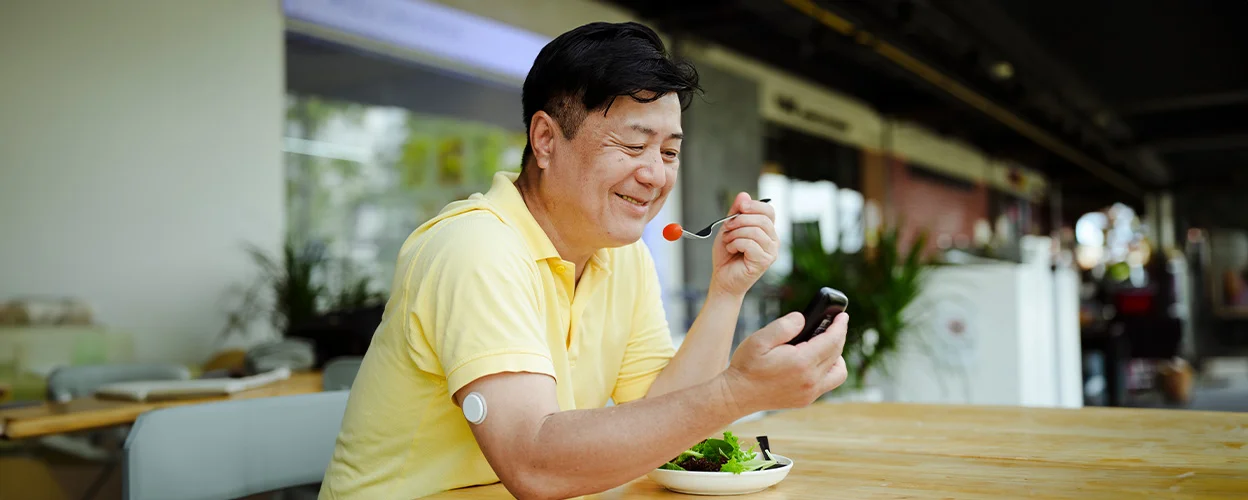
A CGM like the FreeStyle Libre 2 Plus system can help, as it tracks your glucose in real time, all day long8 and offers optional alarms18 that help you know when to take action.
Can the consequences of hypoglycemia be serious?
If hypoglycemia is severe, it can lead to serious consequences like fainting, seizure (fits), coma or death.201 There are also long-term effects of hypoglycemia. Repeated episodes can lead to a negative impact on your health in the future, including mental health, cognitive function (thinking) and risk of death. Over time you may also become less aware of your hypoglycemia.215
Hypoglycemia unawareness
If hypoglycemia happens regularly, it can lead to 'hypoglycemia unawareness', a condition where you become less able to recognize the symptoms of hypoglycemia. It can increase risk of severe hypoglycemia up to 17 times more than someone who is aware of hypoglycemia. So avoiding hypoglycemia unawareness is vital if you have diabetes.227

Every hypo is an opportunity to learn how your body responds. And that knowledge? That’s progress.
Before making any changes to your routine, always consult your healthcare provider.
1. Get to know your low signs.
When you know how a low feels for you, it could be easier to catch it early next time460. But you can’t rely on your physical symptoms alone to detect lows456.
The FreeStyle Libre 2 Plus system offers real-time glucose alarms that let you know when to take action30,31.
3. See your personalized trends and patterns. With your FreeStyle Libre 2 Plus system easily see patterns in your readings to learn how food, activity, and insulin impact your glucose17.
4. Stay steady with meals. Eating on a regular basis helps ensure your body has enough glucose459. Try pairing carbs with protein or fat to keep your glucose levels steadier387,458.
5. Snacks have your back. A little juice, candy, or a glucose tab can help if your glucose drops. Keep some stashed in your bag, desk, or nightstand—just in case459.
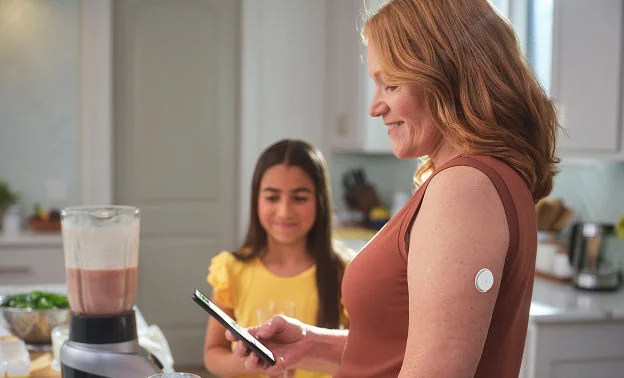
Proactive hypoglycemia self-care isn’t about perfection. It’s about knowing your patterns, using your tools, and feeling ready to respond.
With the FreeStyle Libre 2 Plus system you don’t have to navigate hypos alone.

As a member of Libre Care, we will keep you informed about important information designed to enhance your Libre experience.



You are about to exit the Abbott family of websites for a 3rd party website
Links which take you out of Abbott worldwide websites are not under the control of Abbott, and Abbott is not responsible for the contents of any such site or any further links from such site. Abbott is providing these links to you only as a convenience, and the inclusion of any link does not imply endorsement of the linked site by Abbott.
The website that you have requested also may not be optimized for your screen size.
Do you wish to continue and exit this website?