




Use physical activity to win against the stress of diabetes.

A woman doing yoga in the park

Life with diabetes can feel like an endless series of things to worry about, whether it’s physical activity, navigating brunch with friends, or monitoring your glucose levels For many people with diabetes, this can be a source of stress—or even diabetes distress.339

Have you ever felt tired of keeping up with your physical activity? Or felt badly about your self-care? You’re not alone. 33% to 50% of people with diabetes have diabetes distress.340

An older woman takes part in a gym fitness class, a great way to exercise regularly.

Watch out for stress—it can affect your glucose levels.

When you’re stressed, hormones can be released that make your glucose levels rise or fall. That same stress can impact your mood and how well you manage your diabetes. Not everyone is affected the same way.340 We’re here to offer you some stress relief tips that you could try.

A great way to stress less is by getting active.

Physical activity can do wonders for your stress,351 in addition to being good for your diabetes self-care.352 You might call it a win-win.

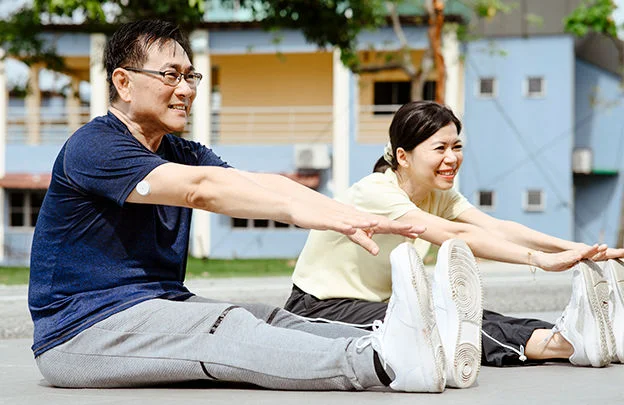
Person wearing a glucose sensor stretches outdoors with another participant during an exercise session.

Make moves and stress less.

Studies show that regular aerobic activity reduces stress.

  • According to the Anxiety & Depression Association of America, you may start feeling anti-anxiety effects in as little as 5 minutes with aerobic exercise351
  • According to a 2023 research review, exercise can reduce stress while leading to a better mood and improved quality of life355

Boost energy and thinking.

Physical activity can also boost your overall energy, focus and cognition.351

Physical activity can also be good for your body.

According to the American Diabetes Association (ADA), physical activity can lower your glucose levels both during the workout and for up to 24 hours after. The more you move, the better your body becomes at processing glucose, and your insulin sensitivity increases. For these reasons, the ADA recommends getting 150 minutes of moderate-intensity aerobic activity per week.352

3 ways to move and stress less.

1) Walk for 20 minutes after a meal.

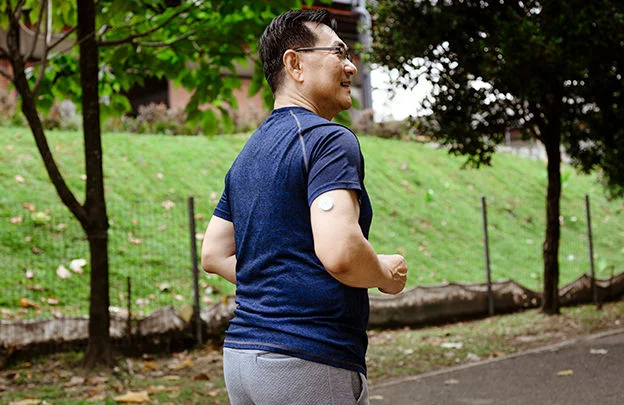
Person jogging on a park path wearing a FreeStyle Libre 2 sensor on the upper arm, with trees in the background.

Studies show that walking for 20 to 30 minutes immediately after a meal can tame the post-meal glucose surge.356,357

Even short bursts of walking to break up stretches of prolonged sitting can do you good according to other studies.358

2) Pick your favorite way to move.

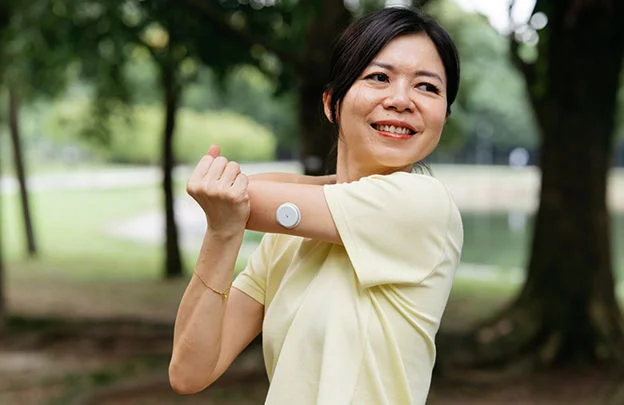
A woman in a light-colored shirt stretching one arm across the chest in a park. A round continuous glucose monitor (CGM) sensor is attached to the upper arm. Trees and greenery are visible in the blurred background.

Any physical activity, whether it’s aerobic or resistance, will help according to a 2023 update of “The Role of Exercise in Diabetes” in the National Library of Medicine. 

In one study, people with type 2 diabetes who got active in different ways had an estimated 0.67% decrease in their A1c. So try what motivates you most, whether it's climbing stairs, biking, or dancing.359

3) Play with others: team sports.

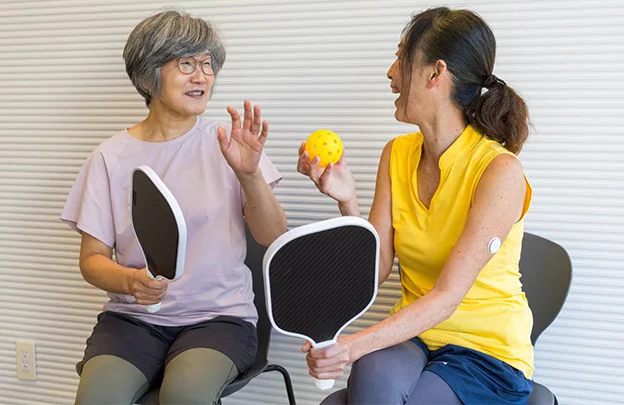
Two women seated indoors holding pickleball paddles and a training ball during a pickleball practice session.

Look into local team sports opportunities, like soccer, tennis, or softball. A routine social activity may encourage you to move more. A research review found that team sports offer a social way to motivate people to improve their fitness and health. 

A study of a women’s handball team showed high social and motivational scores compared to a sedentary control group, as well as improved endurance and bone mineral density.360

Manage diabetes in small steps.

Getting more active doesn’t have to happen overnight. You can work your way towards your goals, step by step. The Centers for Disease Control and Prevention (CDC) recommends setting only one or two diabetes care goals for yourself at a time.340 For example, like taking the stairs instead of the elevator or checking out your glucose levels.

See the effect of your steps with a continuous glucose monitor (CGM).

If you’re using a continuous glucose monitor (CGM) like the FreeStyle Libre system, you can check your real-time reading8 at any time to see the impact of your actions. And as you get to know how your glucose levels  respond to your actions, you can make more informed decisions.

In a study, 37% of people with diabetes who used FreeStyle Libre reported engaging in physical activity more frequently. Plus, 92% of users found it easier to manage meal-time glucose.7

See how FreeStyle Libre system could help you to be more active.

Libre Care logo

Helping you progress is part of the program.

As a member of Libre Care, we will keep you informed about important information designed to enhance your Libre experience.
A woman carrying her daughter on her back, with a FreeStyle Libre sensor on her daughter's upper arm.
ADC-2698605-v1