
Diabetes & exercise: How to manage your glucose

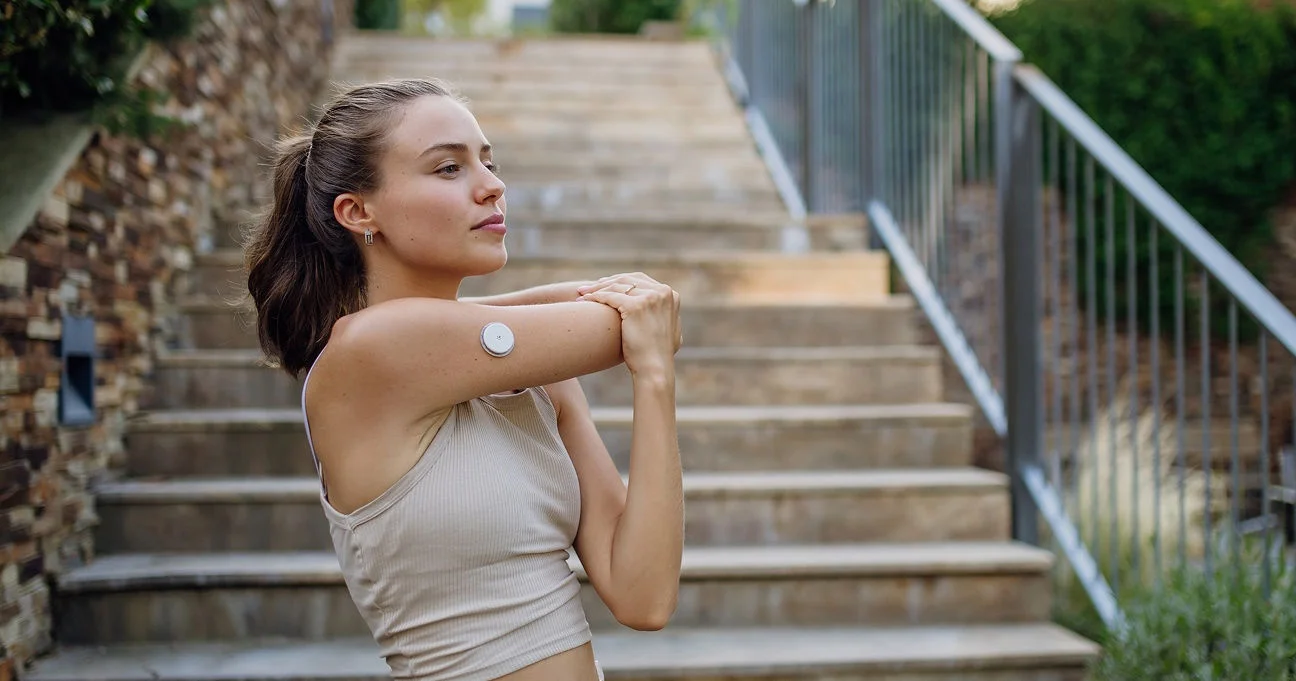
Woman stretching her arm outdoors near stone stairs, wearing FreeStyle Libre sensor on her upper arm.

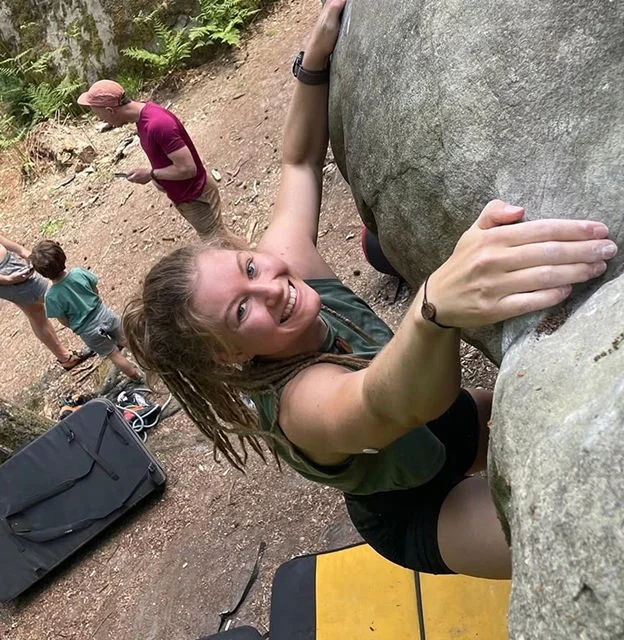
For Carlotta, climbing is more than a sport — it’s a way to connect with nature and herself. Each boulder presents a new challenge and a quiet moment to focus on balance, strength, and movement.

Woman smiling while outdoor bouldering on a large rock, with friends spotting below.

Thanks to the FreeStyle Libre 2 Plus system, Carlotta doesn’t have to interrupt her flow for finger pricks10.  “I can keep an eye on my glucose levels without losing focus – so I can fully enjoy climbing,” she says. “In moments like these, diabetes takes a bit of a back seat.”495

Movement can cause both highs and lows with glucose, depending on a variety of factors568. Whether you prefer a quick walk, a trip to the gym, or a day of bouldering like Carlotta, managing glucose levels during physical activity can feel confusing.

50%

of surveyed people with type 1 diabetes feel their condition holds them back from physical activity616.

In this article, you’ll learn how movement can impact glucose, tips for managing diabetes during physical activity, and how the FreeStyle Libre 2 Plus system can help track your trends with a quick glance at your smartphone13.

How does exercise affect glucose levels? 

Physical activity is an important part of diabetes management and helps manage glucose levels335.

Just 150 minutes of activity a week (about 30 minutes, 5 days per week) can help manage glucose levels569.

However, several factors can affect how movement impacts your glucose:

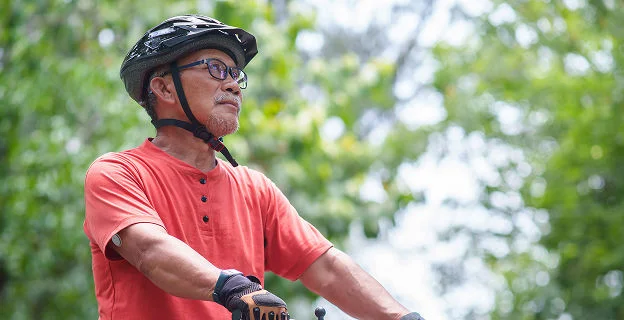
Older man in red shirt and cycling helmet riding a bicycle outdoors among trees.

Type of movement.

Not all activities impact glucose in the same way568. Aerobic activities like walking or cycling may lower glucose, while higher-intensity anaerobic activities may increase it571,568.

Aerobic activity: May lower levels as muscles use glucose for fuel571,572

  • Walking
  • Cycling
  • Swimming
  • Yoga

Anaerobic activity: Can raise levels briefly due to stress hormones568

  • Weight lifting
  • Sprinting
  • Jumping rope
  • High-intensity interval training (HIIT)
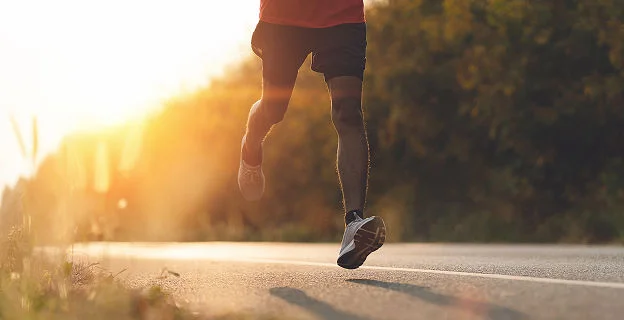
Close-up of a runner's legs mid-stride on a road at sunset.

The time of day.

The “best” time of day to be active with diabetes is still up for debate574, and studies around the topic show mixed results574.

Here’s what to keep in mind:

  • How your body reacts to movement can vary based on whether you have type 1 or type 2 diabetes574.
  • Your medication and routine can also play a role in how your body responds to movement at different times574.
  • Moving your body regularly—regardless of the time of day or intensity—can support overall health and glycemia for people with diabetes574.
Highs & lows during movement
Yellow downward arrow icon.

Lows (hypoglycemia): Lows can happen during or after long periods of movement528.

Yellow upward arrow icon.

Highs (hyperglycemia): Short, intense bursts can raise levels temporarily528.

Yellow clock icon inside a circle.

Delayed effects: Glucose levels can shift for hours after physical activity574.

Ideas for managing exercise & glucose levels.

Regular movement can help you lower your glucose and manage your diabetes606. We’ve compiled a list of quick tips to keep in mind. Talk to your healthcare team before starting any new physical activity.

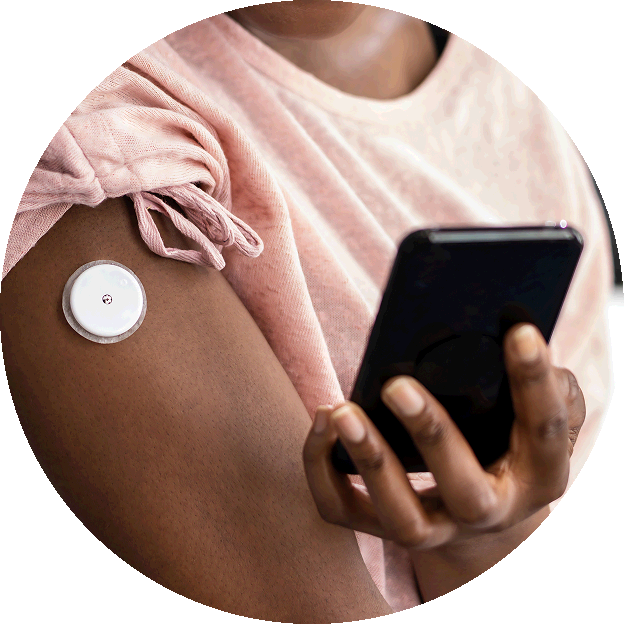
Close-up of person wearing FreeStyle Libre sensor on upper arm while holding a smartphone.

Before movement.

  • Check first. Check your glucose levels before starting577. A pre-exercise glucose range of about 7-10 mmol/L is generally considered safe, though some types of exercise can cause glucose to rise. The FreeStyle Libre 2 Plus system make it easy to track your glucose right from your smartphone13.
  • Warm up. Ease in with about 5-10 minutes of light warm-ups before picking up the pace578,580.

Your warm-up toolbox

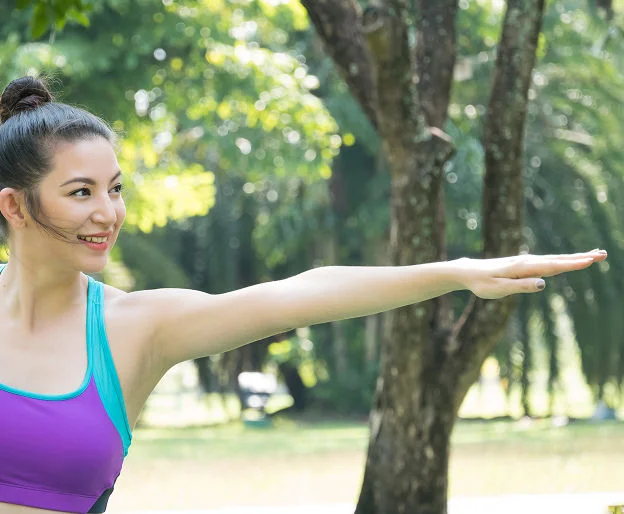
Woman in colorful athletic wear extending her arm outward while exercising in a park.

Arm circles: Extend your arms out to the sides and make slow, controlled circles. Do them forward, then backward.

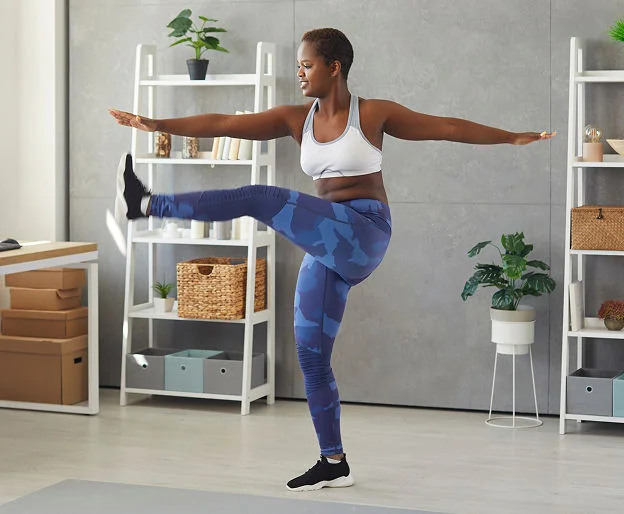
Woman performing a standing single-leg balance exercise with arms extended at home.

Leg swings: Hold onto a wall or chair for balance and gently swing one leg forward and back, then switch legs.

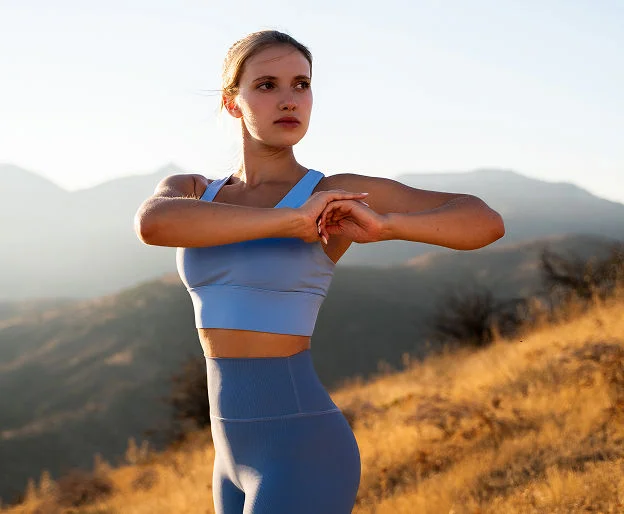
Woman stretching her shoulder outdoors on a hillside with mountains in the background at golden hour.

Torso twists: Stand tall with feet hip-width apart and gently rotate your torso side to side, keeping your hips facing forward.

Man in black t-shirt looking upward against a blue sky, circular portrait.

During movement.

  • Check in. A glance at your continuous glucose monitor (CGM) can help you keep an eye your glucose levels as you move. If you’re planning a longer workout or trying something new, check in about every 30 minutes. Pause your activity immediately if your glucose drops to 3.9 mmol/L or lower577.
  • Hydrate and snack. Drinking water and keeping glucose-friendly snacks on hand410 like glucose tablets or gel, fruit juice, or honey can help you respond quickly if your glucose drops577. If you need to raise your levels, have about 15 grams of fast-acting carbohydrate and check your glucose again after 15 minutes. Repeat as needed until you’re back to at least 3.9 mmol/L577.
  • Listen to your body. Your body will show signs of high or low glucose levels. Pay attention the signals it’s sending and be kind to yourself—it’s always okay to take a break when you need it.

Signs of lows466

  • Sweating, chills, or clamminess
  • Irritability
  • Confusion
  • Nausea
  • Feeling sleepy, weak, or losing energy

Signs of highs477

  • Headache
  • Frequent urination
  • Feeling excessively thirsty
  • Feeling very tired
  • Blurred vision
Woman laughing while stretching indoors, wearing FreeStyle Libre sensor on her upper arm, circular portrait.

After movement.

  • Cool down and stretch. Slow your pace and add simple stretches to transition your body and manage glucose after movement581.
  • Check your levels. Recheck your FreeStyle Libre 2 Plus system right after you finish moving and over the next several hours—especially after a tougher workout. Lows can happen several hours after, so grab a snack with slower-acting carbs (like a granola bar, trail mix, or dried fruit) to help prevent lows577.

Stretch it out

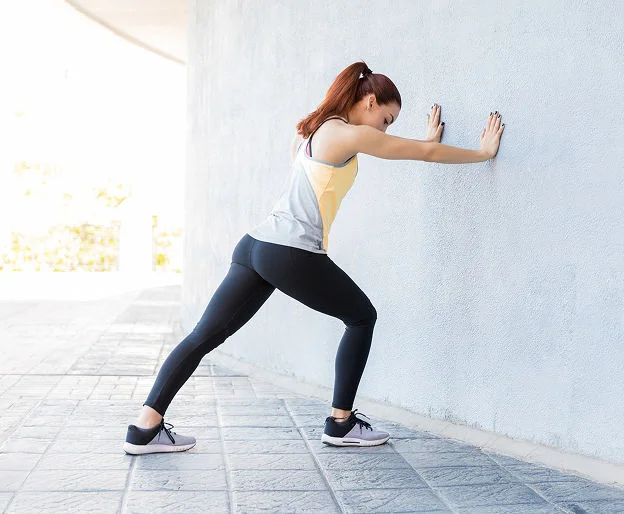
Woman doing a calf stretch pushing against a wall outdoors in athletic wear.

Calf stretch: Stand facing a wall, place your hands on it, and step one leg back. Keep your heel on the ground and lean forward slightly until you feel the stretch. Hold for 20–30 seconds, then switch sides.

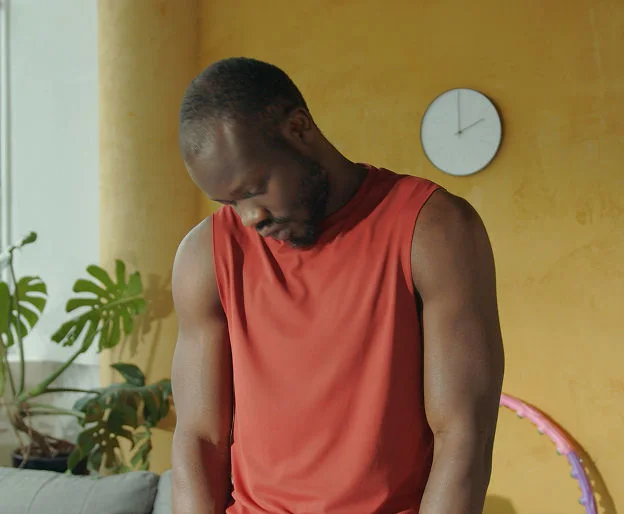
Man in red sleeveless top standing at home with a hula hoop nearby, looking downward.

Shoulder rolls: Sit or stand tall. Roll your shoulders forward for 10 seconds, then backward for another 10.

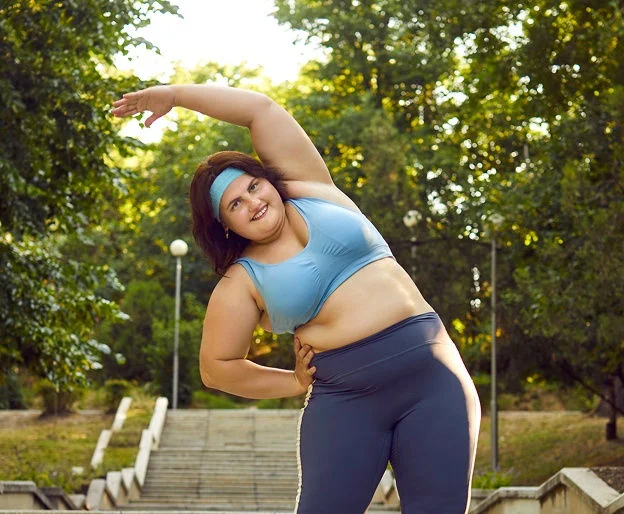
Woman doing a standing side bend stretch in a park, wearing a blue headband.

Side stretch: Stand with your feet hip-width apart. Reach one arm overhead and lean gently to the opposite side. Hold for 15–20 seconds, then switch.

How the FreeStyle Libre 2 Plus system can help manage glucose during movement.

Movement is about consistency, not perfection. Highs and lows are part of learning how your body responds, not something you have to get right every time. 
With the FreeStyle Libre 2 Plus system, each reading becomes a chance to understand your patterns—not to judge them. It can help you:

  • See glucose levels before, during, and after activity
  • Get alerts18 when levels pass your set threshold
  • Turn your data into insights for a movement plan that fits you

Understanding how movement affects your glucose is an important step on your diabetes journey. The FreeStyle Libre 2 Plus system is there to help you through every step that follows.

Diabetes and exercise: your frequently asked questions.

Yes, physical activity can temporarily raise blood glucose levels, especially during high-intensity activity568. A glucose spike after exercise may happen when the body releases stress hormones like adrenaline568.

It’s okay to exercise if your glucose levels are around 10-15 mmol/L, but you should be aware that certain types of exercise may cause your glucose to rise. Pay attention to your glucose levels before, during, and after activity to help you understand how your body responds577. It’s also important to remember that glucose can drop during or long after physical activity333. If you’re running into low glucose during activity, your healthcare provider can help you find a better balance. That might mean adding a small pre-activity snack or adjusting medications to support your routine333.

You can check your FreeStyle Libre 2 Plus system regularly while moving to see how your levels are trending. If levels dip, try grabbing a quick carb, like juice or glucose tablets461.

Icon of FreeStyle Libre System

Join the 7 million people who use the Libre systems worldwide1.

Learn more about the Libre 2 Plus systems today.
Logo Libre Care

Helping you progress is part of the program.

As a member of Libre Care, we will keep you informed about important information designed to enhance your Libre experience.

A woman carrying her daughter on her back, with a FreeStyle Libre sensor on her daughter's upper arm.

More Articles you may like. 

A woman wearing a FreeStyle Libre sensor holds a pickleball paddle and ball on an outdoor court during a sunny afternoon.

Use physical activity to win against the stress of diabetes.

Small steps add up to big wins. Learn how movement may help ease diabetes distress and boost well-being.

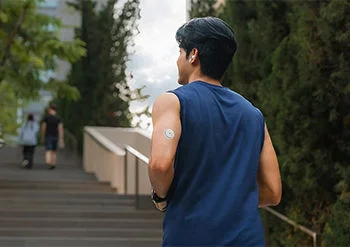
Person jogging up outdoor steps lined with trees, wearing earbuds and a glucose monitoring sensor on one arm.

How to stay active with diabetes: 3 beginner-friendly hacks

Check out these fun and easy ways to add more movement to your day. Plus, learn how FreeStyle Libre 2 Plus systems can help manage your glucose.
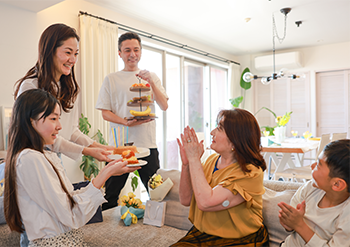
Family gathers in a living room to celebrate a birthday, with cake, flowers, and a continuous glucose monitor visible.

Your guide to a glucose-friendly holiday party

Holiday parties don’t have to be stressful. Discover quick tips for keeping your glucose steady throughout this year’s festivities.

ADC-2698988 v1.0