
Understanding hypoglycemia

Sometimes, drops in glucose can sneak up on you—even overnight. Low glucose happens, but with your FreeStyle Libre system, you don’t have to guess what’s happening.
 FreeStyle Libre 2 reader showing a glucose reading

What is hypoglycemia?

A “low,” also called hypoglycemia, happens when your glucose levels drop below your target range—usually below 70 mg/dL. At that point, your body doesn’t have enough glucose for energy. 
 

If your levels dip below 54 mg/dL, it can become dangerous. Everyone’s body reacts differently, so speak to your healthcare professional for questions about your healthy range55.
 

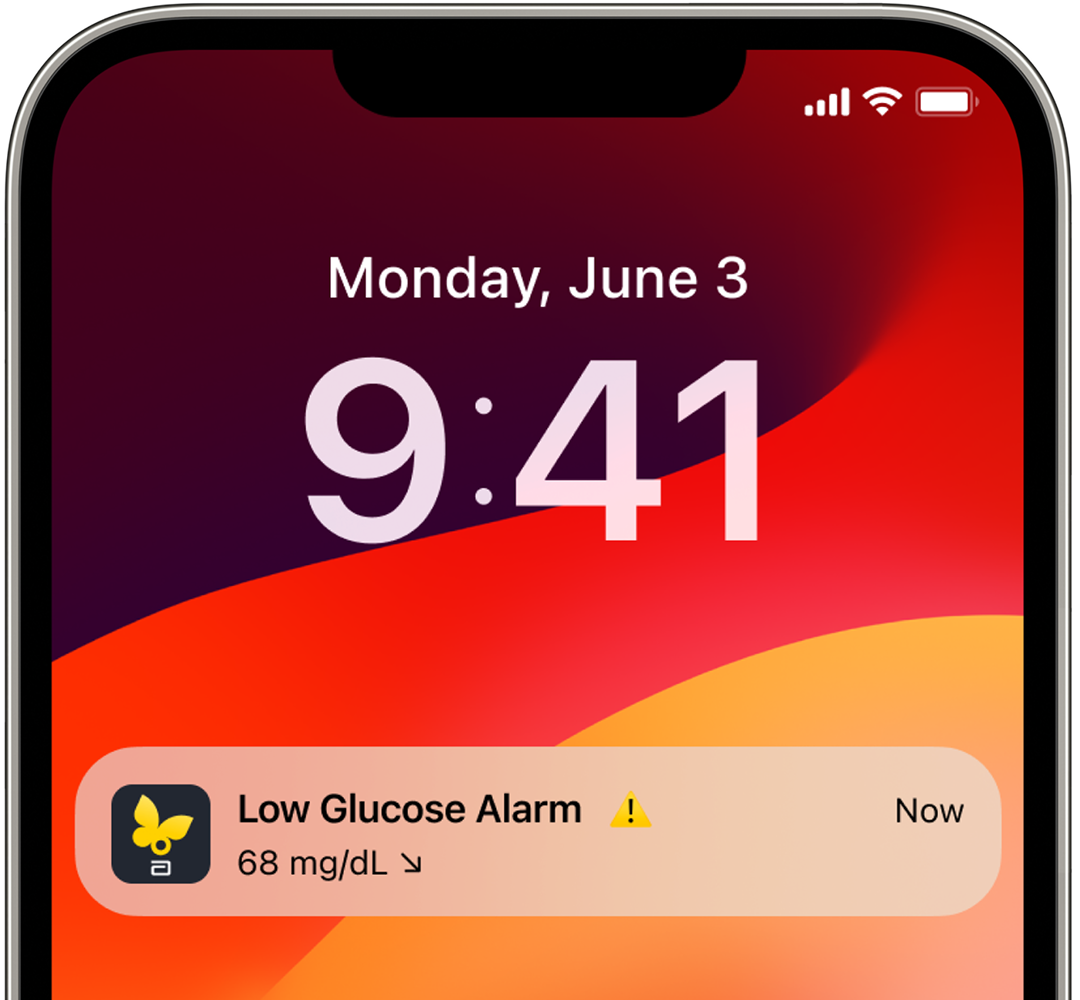
When a low is happening, you might experience a sudden wave of shakiness, a feeling that something’s off15, or wake up to a low glucose alarm from your phone. 
A woman wearing a sensor showing her glucose data on her phone with her husband.

What causes hypoglycemia?

Lows are common for people with diabetes17, but learning what causes them helps you stay ahead. 

Causes of lows.

  • Skipping or delaying meals16
  • Eating less than usual17
  • Physical activity or more intense activity than usual

What is nocturnal hypoglycemia?

Hypos don't just happen during the day. Your glucose may also drop at night, but your FreeStyle LibreLink app alarms18 will let you know when levels dip, even when you’re asleep. This is called nocturnal hypoglycemia75 and can happen for a few reasons.

Causes of nighttime dips75.

  • Skipped meals
  • Exercise before bedtime
  • Alcohol before bedtime
  • Infections
A woman wearing a sensor showing her glucose data on her phone with her husband.

What are the symptoms of hypoglycemia?

If your glucose is dropping, you might feel these early signs15

  • Sweating, chills, or clamminess
  • Irritability or confusion 
  • Hunger or nausea
  • Feeling sleepy, weak, or losing energy
  • Tingling or numbness in the lips, tongue, or cheeks
  • Shakiness or dizziness

Not everyone feels their lows the same way. Over time, you’ll learn how your own body signals a dip, and your FreeStyle Libre system helps you see those changes, even when you don’t feel them right away.

How to prevent lows.

Know what lows feel like so you can treat them sooner

Check levels often to lower your risk of hypoglycemia17

Look at patterns and trends to know how meals and activity impact levels

Eat meals regularly16

A woman wearing a sensor showing her glucose data on her phone with her husband.

Low alarms help you act. 

If your glucose drops unexpectedly, FreeStyle Libre system optional alarms18 will notify you the moment it happens. 

An alarm will appear on your phone’s or reader’s screen, displaying your current reading and a trend arrow indicating where your glucose is headed. 
 FreeStyle Libre 2 reader showing a glucose reading


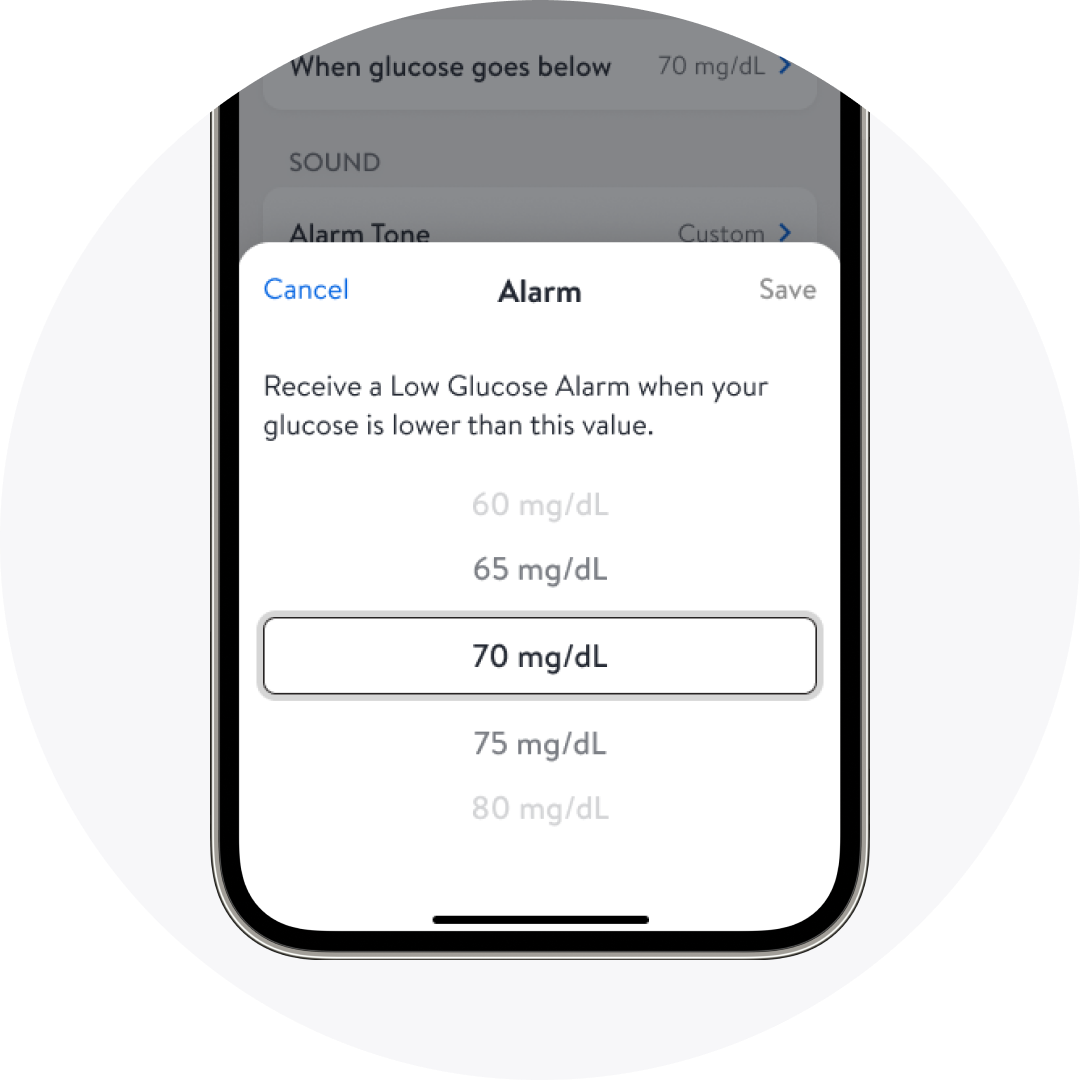
Quick tip: Set your optional alarms 18.
You can personalize your alarms so you’re alarmed when you want to be—and when you don’t. You can choose the threshold numbers for when FreeStyle LibreLink app or reader  alarms you of a dip, and you can silence them if needed.

Related topics

ADC-2690346 v1.0