
Understanding hyperglycemia

A big meal, a stressful afternoon, or even skipping a walk can sometimes cause highs to happen. They’re part of life with diabetes, but they don’t mean you’ve done anything wrong. 
 FreeStyle Libre 2 reader showing a glucose reading


What is hyperglycemia?

Hyperglycemia, or “highs,” simply means your glucose has built up too much in the bloodstream. This happens when your body doesn’t have enough insulin or can’t use it efficiently to move glucose into your cells for energy.
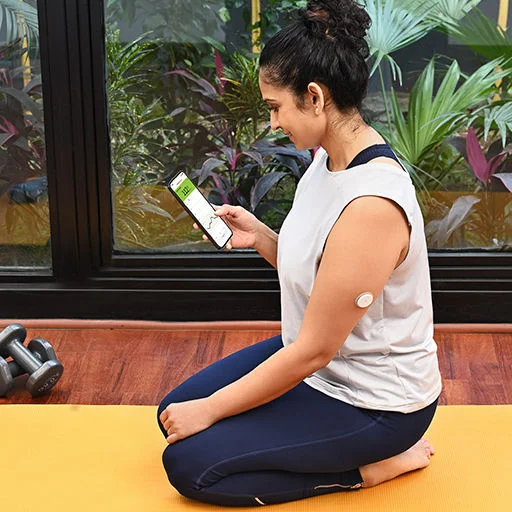
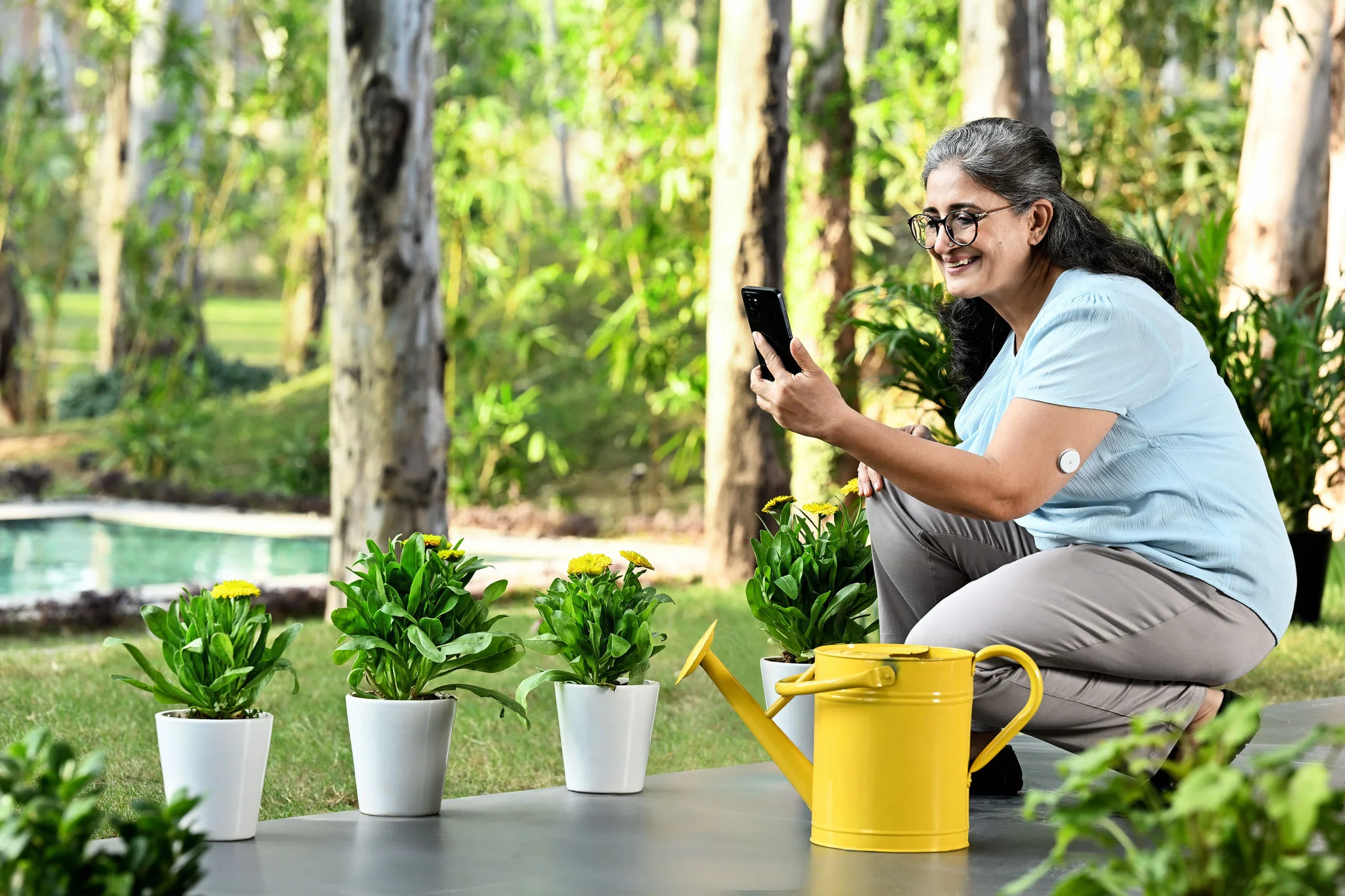
A woman wearing a sensor showing her glucose data on her phone with her husband.

What causes hyperglycemia?

Highs can happen without warning, even when you’re doing your best. That’s why it’s important to understand what may cause them and how they might feel in your body. Consult with your doctor about other potential causes of highs.

Causes of highs13.

  • Eating more carbohydrates than your body can process
  • Changes in your physical activity
  • Stress, illness, or even poor sleep
  • Missed medication or medication not suited to your needs
  • Dawn phenomenon (rise in glucose that happens in the morning)56
A woman wearing a sensor showing her glucose data on her phone with her husband.

What are the symptoms of hyperglycemia?

You might not notice symptoms until levels rise above 180–200 mg/dL, and for some, they appear closer to 250 mg/dL13.

  • Headaches13
  • Frequent urination13
  • Feeling very hungry or thirsty13
  • Blurry vision13

Some people don't feel symptoms at all.

Stay ahead of highs, with a little help from FreeStyle Libre system.

Through graphs, trend arrows, and alarms18, FreeStyle Libre system lets you know when glucose levels are rising so you can take action before levels rise too far11

         How to prevent highs13.

Follow your care plan and take medications as prescribed by your healthcare professional

Check your levels when you notice signs of a rise

Pair carbs with protein or fiber for steadier energy

Drink water and move when you can

Notice which meals or moments lead to higher readings and adjust over time

Preventing highs11, one reading at a time.

The ups and downs in your continuous glucose readings will start to tell a story over time. 

Maybe you’ll notice your glucose rises after certain meals or dips with a walk after dinner. The more you track, the more you understand what keeps you steady.
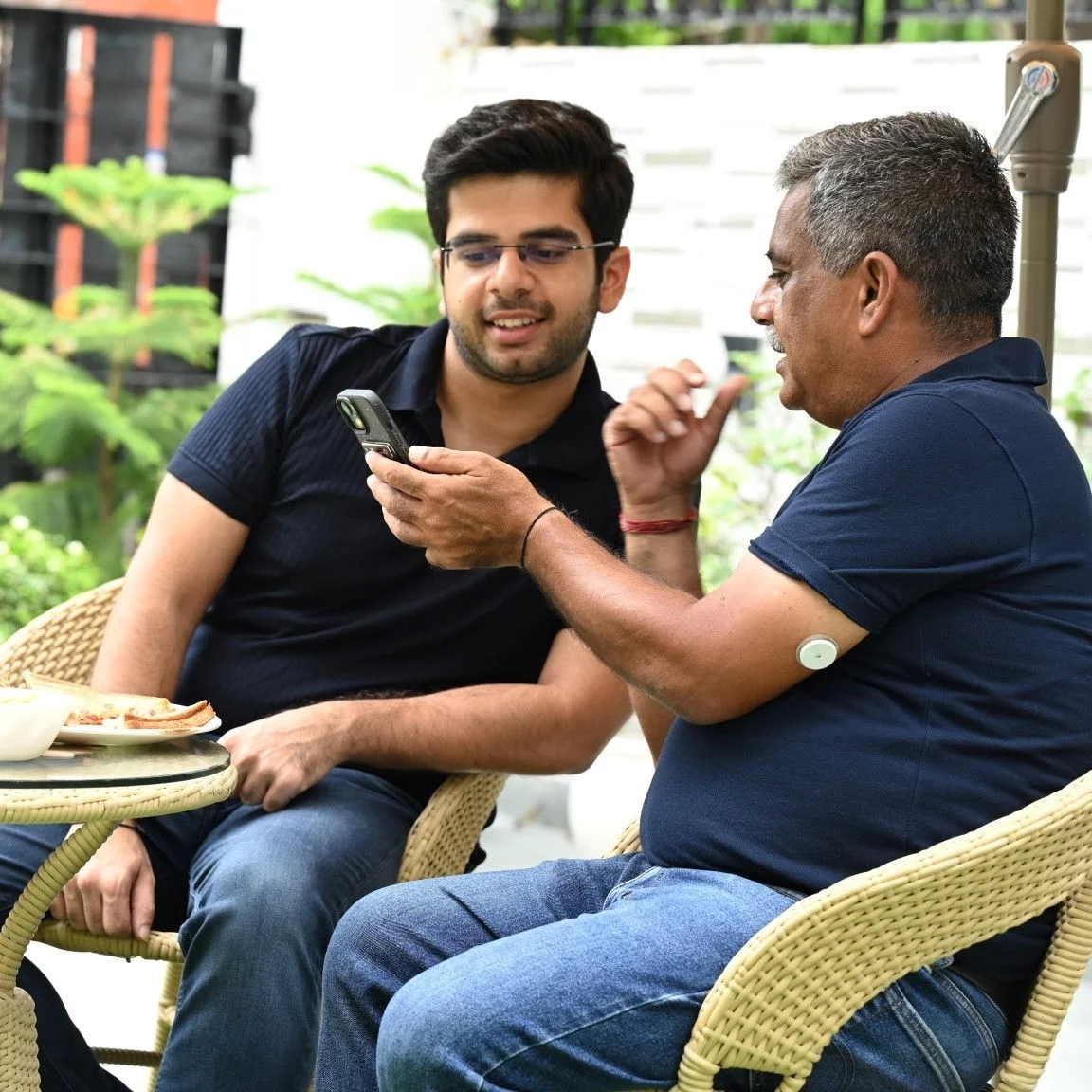
A woman wearing a sensor showing her glucose data on her phone with her husband.

Quick tip: Check your trend arrow. 

Check the arrow to the right of your current glucose reading. Is it pointing straight up, or upward to the right? 
 

When glucose levels are rising beyond your safe range, it might be time to take action. That could mean a short walk, a glass of water, or taking your medication as planned. 
 

Those small, steady actions add up to balance—and that’s what progress looks like.
Related topics

ADC-2690347 v1.0