

Every bite tells a story about how your body uses energy. Carbohydrates, protein, fat, and fiber each play their part.
Building balanced meals
Food is more than fuel—it’s connection, comfort, and joy. Managing diabetes doesn’t change that. A balanced plate helps you stay steady without giving up the meals you love.

Why balance matters.
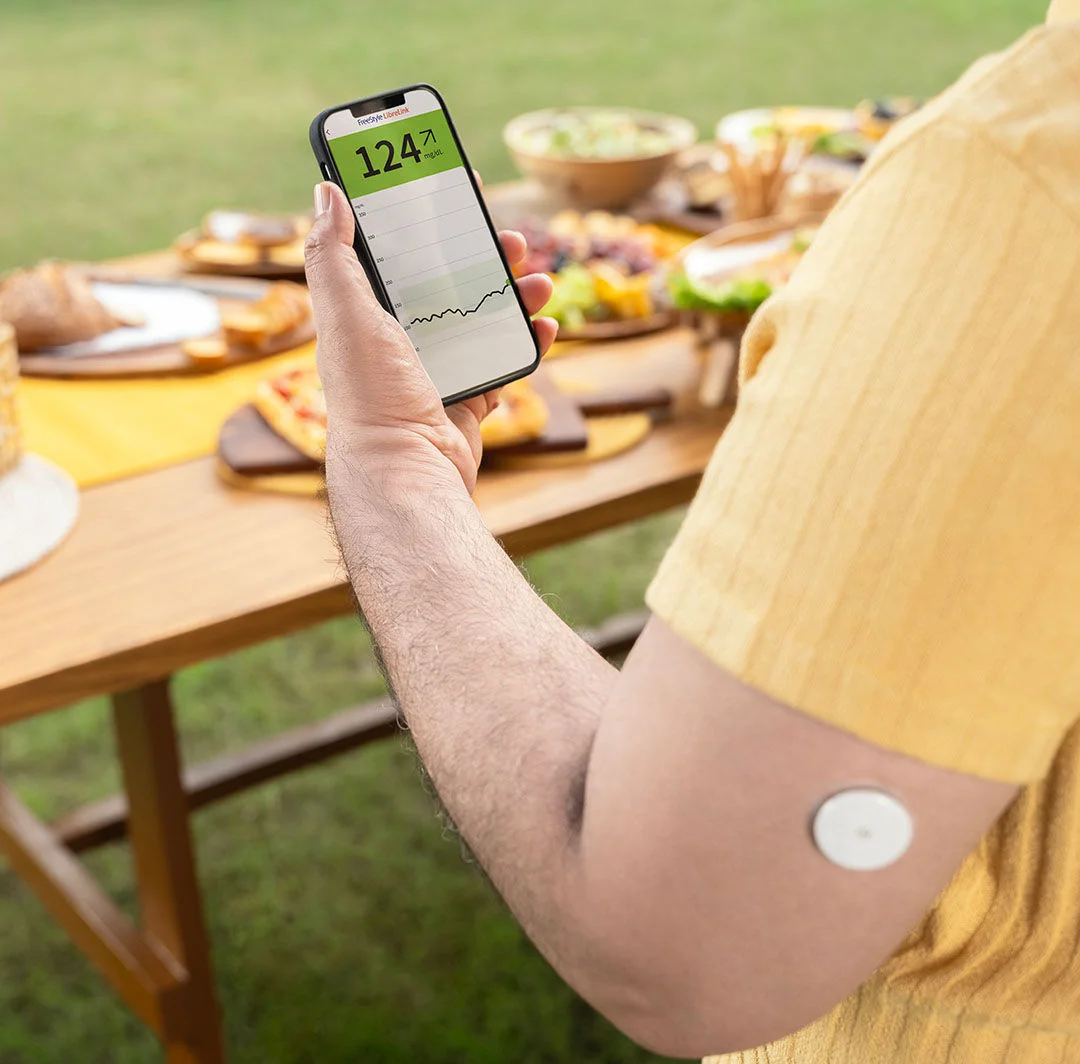
Together, these form a meal that keeps your energy levels up and your glucose more steady throughout the day. Your FreeStyle Libre system helps you see how balanced meals create smoother glucose patterns and fewer unexpected dips or climbs.
Building your plate.
The diabetes plate method is a simple, visual way to create balance without needing to track every detail.

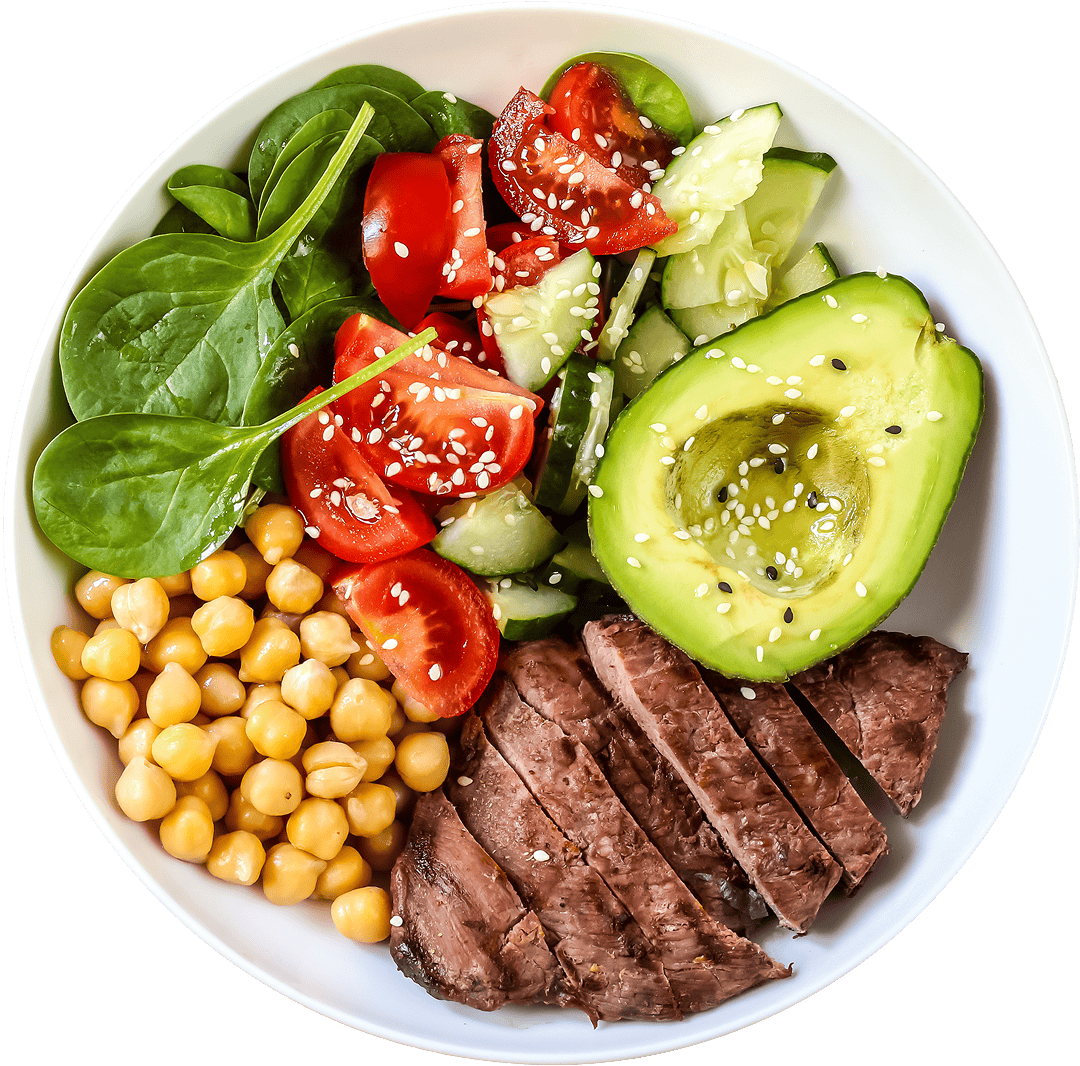
Half your plate: Non-starchy vegetables like leafy greens, peppers, broccoli, or cauliflower. These add fiber, volume, and nutrients while helping keep your levels steady65.
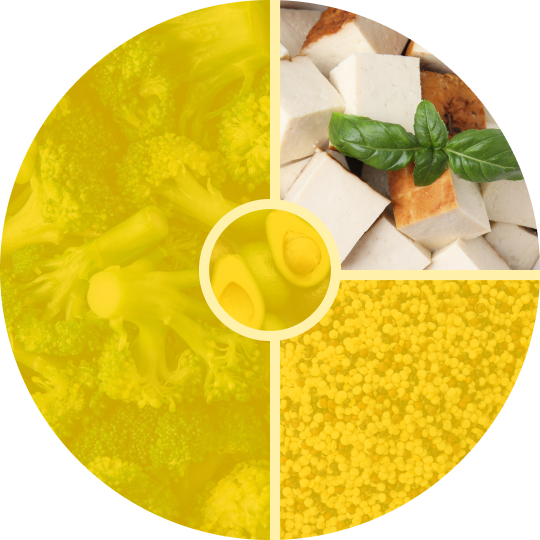
One quarter: Protein such as eggs, tofu, fish, chicken, or beans. Protein keeps you full longer and slows how quickly carbs affect your levels66.
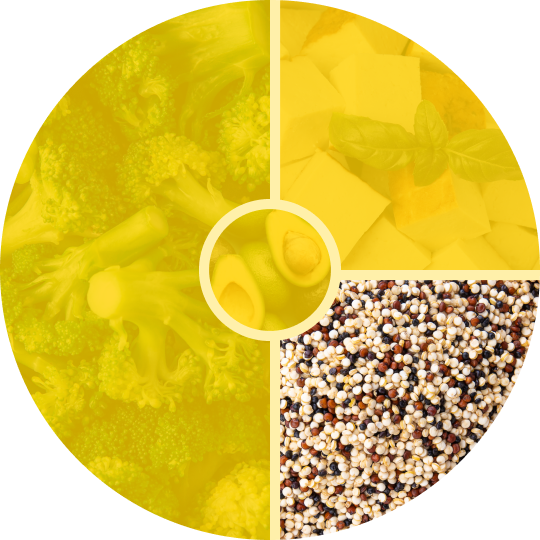
One quarter: Carbohydrates such as quinoa, whole grains, fruit, or starchy vegetables. Choose high-fiber options when you can, and keep portions consistent67.
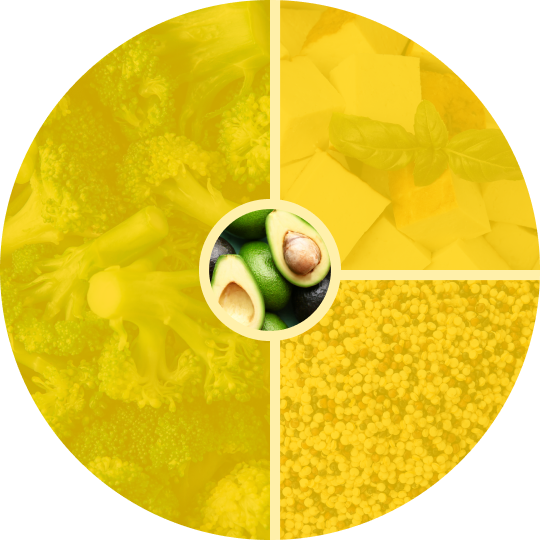
Add a small amount of healthy fat68: Avocado, nuts, olive oil, or seeds. These add flavor and keep energy levels balanced.
Try eating vegetables and protein first, then carbohydrates. This “food sequencing” may help soften glucose rises after meals.
Real-life examples.
You can adjust your meals to fit your needs.

Breakfast
Scrambled eggs with spinach and mushrooms, whole-grain toast, and sliced avocado
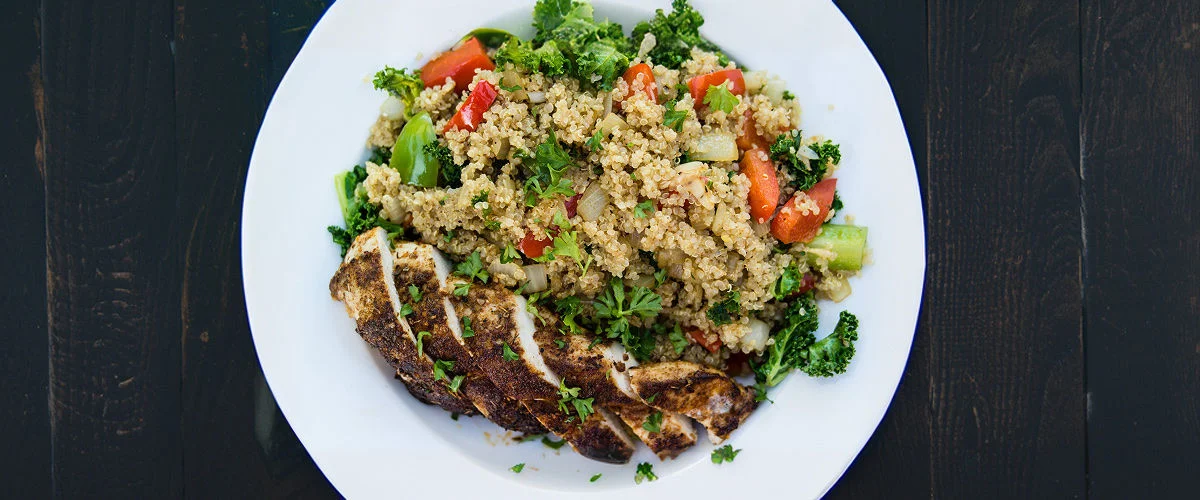
Lunch
Mixed salad with grilled chicken or tofu, quinoa, and olive oil dressing
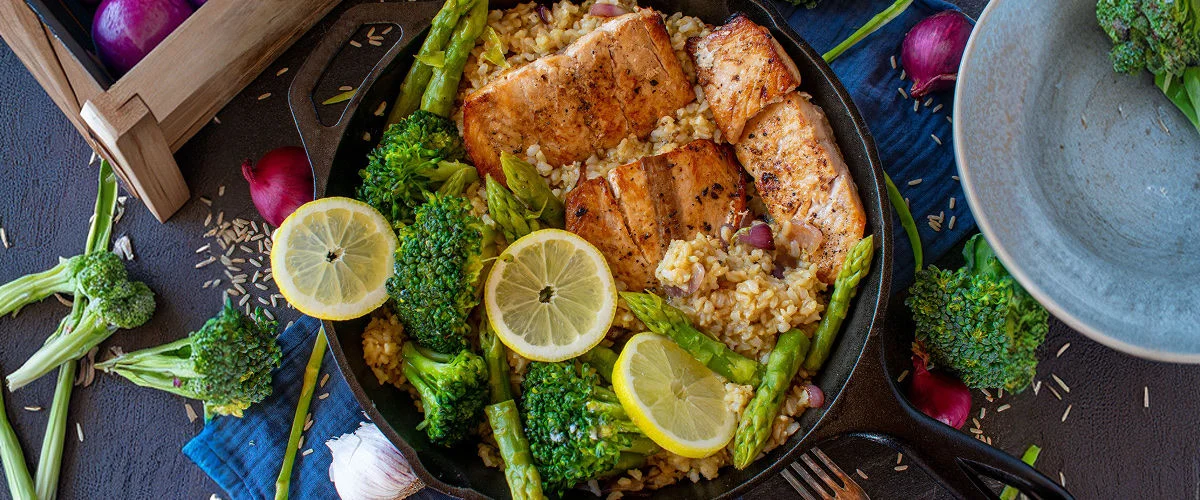
Dinner
Baked salmon, roasted broccoli, and a small serving of brown rice
If you’re eating a meal that mixes everything, like soup, pasta, or pizza, think about proportions: more vegetables, moderate protein, fewer refined carbs.
Quick tip: Check your trend arrow.
Check the arrow to the right of your current glucose reading. Is it pointing straight up, or upward to the right?
When glucose levels are rising beyond your safe range, it might be time to take action. That could mean a short walk, a glass of water, or taking your medication as planned.
Those small, steady actions add up to balance—and that’s what progress looks like.
Related topics


ADC-2690355 v1.0