


Glucose levels43
Movement and glucose
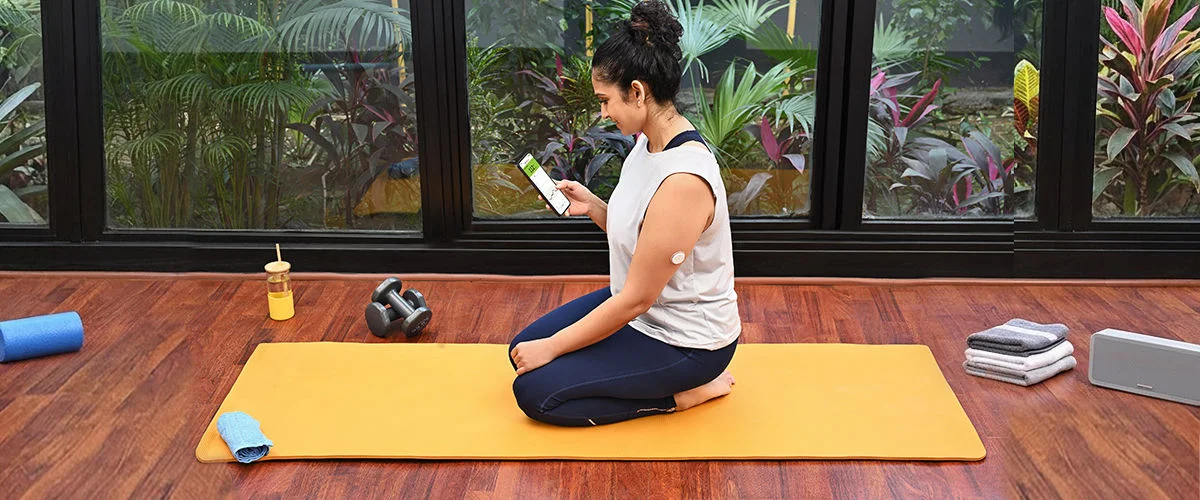
Whether you’re taking a walk after dinner or dancing while you cook, moving your body can move your glucose. With your FreeStyle Libre system, you can see those changes in real time58.
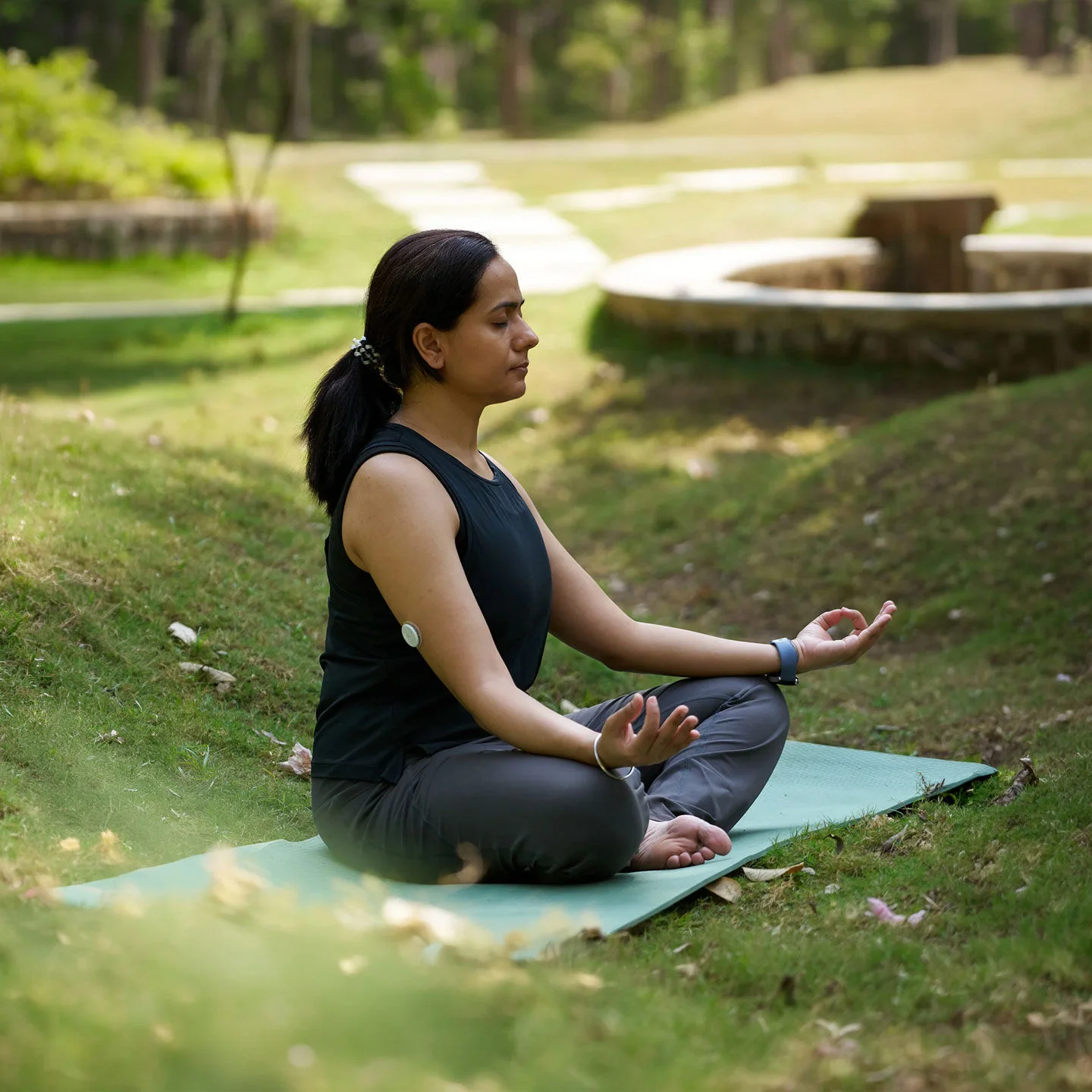
Why movement matters for your health.
When you move, whether it’s a brisk walk, a bike ride, or just taking the stairs, your muscles use glucose for energy41.
Over time, movement helps your body use insulin more effectively and keeps your levels steadier42. You might not notice it right away, but small, consistent movement adds up.
Regular activity can help lower:



Find your flow, even as a beginner.
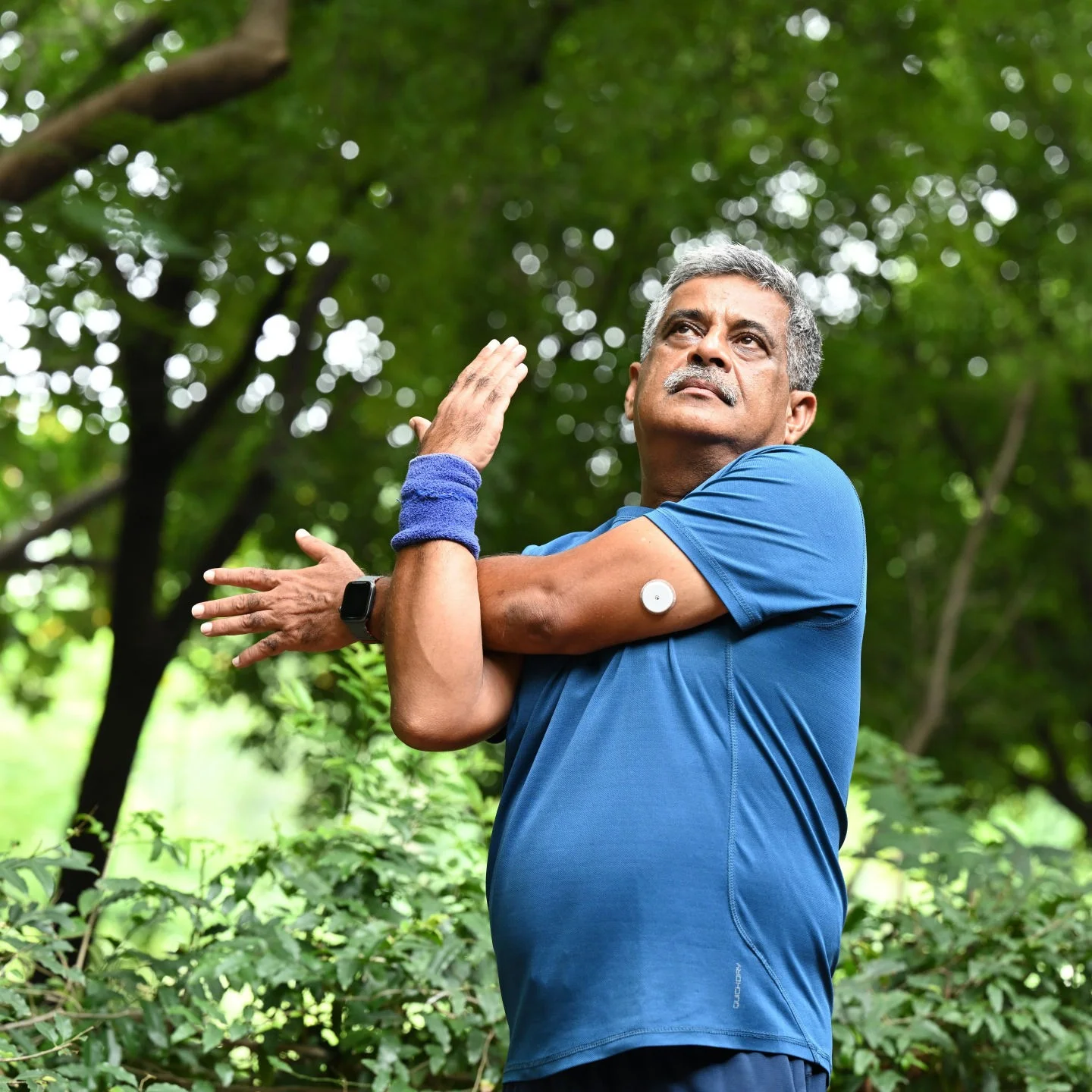
You don’t have to run a marathon to make a difference43. Start small. Find what feels good. The best kind of movement is the one that fits easily into your day.
Maybe that means walking the dog a little longer, gardening on the weekends, or turning up your favorite playlist while you tidy the kitchen. The key is consistency, not perfection.
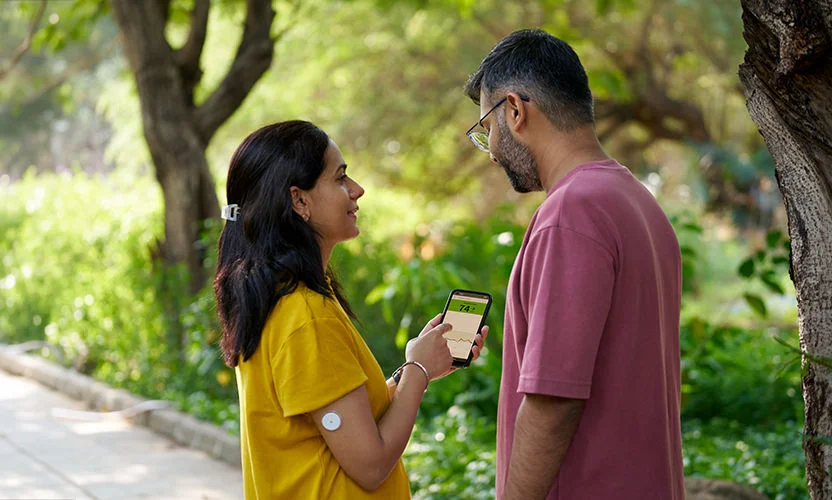
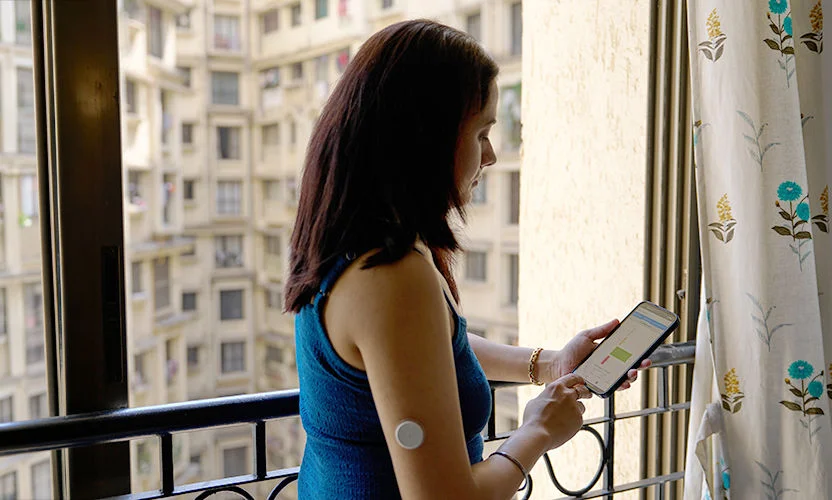
Once you’ve found a few movements you enjoy, use your FreeStyle Libre system to see how they affect your glucose. You’ll start to notice what keeps you balanced, what causes dips, and when your body feels its best.
Even small “steps” can lead to meaningful progress.
Your FreeStyle Libre system makes progress visible. A check after a short walk might show your levels gently falling.
Over time, those small choices can improve your long-term glucose data—clear proof that little things make a big difference. Every step you take—literally—helps shape steadier days ahead.

Quick tip: See how household tasks affect your levels.
If you’ve got chores to do, like gardening, sweeping, folding laundry, or tending the yard, count them as your movement for the day. Every time you move with awareness, you’re learning something new about what helps you thrive, and that’s progress.
Related topics
ADC-2690358 v1.0